
Some of the most serious builds in the hobby never live in a garage. They live in a storage unit. Project-car time capsules are not a sign of a stalled build. They are a deliberate strategy that keeps a project alive through moves, budget gaps, and life’s interruptions.
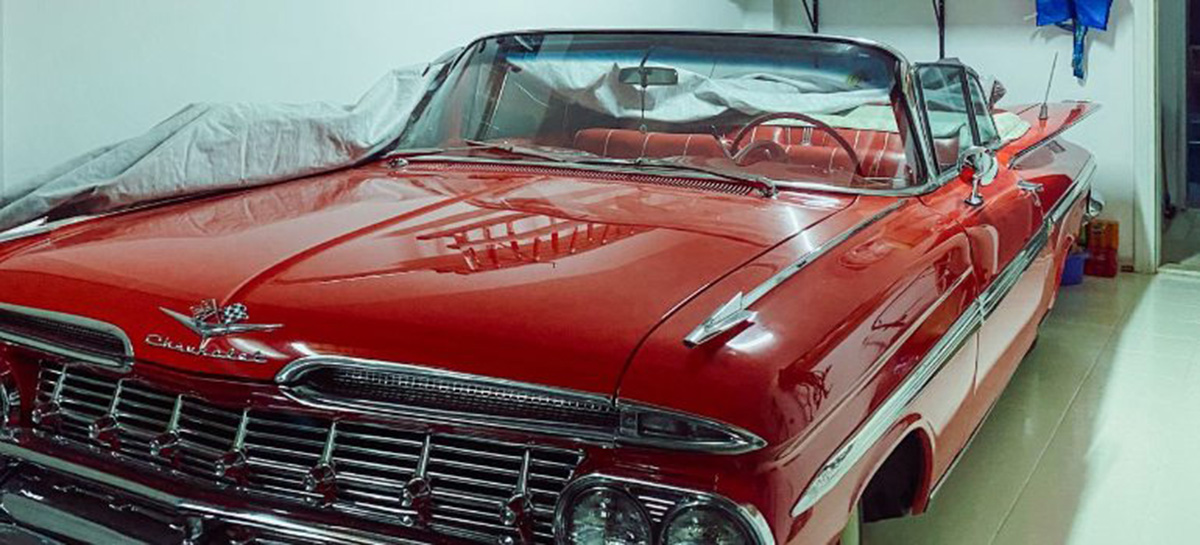
Some of the most interesting builds in the hobby never sit in a garage. They live in a 10×20 storage unit somewhere off the highway, in labeled bins and oil-wrapped parts, waiting for the owner to have time, money, or space to continue. This is how project-car time capsules work — not as a failure to finish, but as a deliberate strategy for keeping a build alive across real life’s interruptions.
Why a Storage Unit Becomes the Perfect Pause Button
Life doesn’t schedule itself around project-car timelines. Job changes, home moves, new family commitments. Any of these can stall a build for months or years. A storage unit lets enthusiasts pause without losing progress or parts.
The real value isn’t just space. It’s containment. A dedicated unit keeps a project car’s components together, organized, and protected from the elements and from the slow entropy of a shared garage. Many builders who have tried to “spread things out” across a garage, basement, and shed know how quickly that becomes unmanageable. Consolidating everything in one unit forces a kind of discipline: every part gets labeled, bagged, or wrapped before it goes in.
Moisture is the biggest enemy of a storage pause. Metal parts, whether stripped body panels, bare engine components, or freshly machined pieces, are vulnerable the moment they lose their protective coatings. That’s why knowing how to protect your vehicle from rust and corrosion during storage matters as much as the physical setup of the unit itself.
How Enthusiasts Actually Set Up Their Project-Car Time Capsules
The setup phase is where most people either get it right or create problems they’ll solve later. The best units aren’t just full; they’re organized, with a clear logic to every shelf and bin.
Most experienced builders work in zones. One area holds drivetrain components, another holds body panels, and a third holds hardware — sorted into labeled bags by assembly or system. This approach means that when the build restarts, the first task isn’t hunting. It’s picking up exactly where things left off.
Relocating mid-project adds its own complexity. BR Moving has pointed out that a parts inventory is often the hardest element to manage when someone relocates mid-build. So photographing every component and writing a quick log before the move saves enormous time on the other end.
Climate control is worth the extra cost. Standard drive-up units experience significant temperature swings between seasons, which cause condensation to form on bare metal parts. Units with active HVAC maintain temperatures roughly between 55°F and 80°F year-round, which makes a meaningful difference for long-term part preservation.
What Goes Into the Unit — and What Doesn’t
Not every part of a project belongs in storage. Some items handle outdoor conditions well; others degrade silently in the wrong environment.
Parts that store well
- Machined engine components wrapped in oil-film paper or VCI (vapor corrosion inhibitor) bags
- Body panels in padded racks or separated by foam
- Interior trim in climate-controlled conditions, away from UV exposure
- Hardware in sealed, labeled containers by assembly
Parts that need extra attention or shouldn’t be stored long-term without preparation
- Rubber seals, hoses, and gaskets (these dry-rot in heat or UV)
- Fuel system components (drain thoroughly before storing)
- Batteries (remove and maintain separately)
- Brake fluid reservoirs (seal completely — the fluid is hygroscopic and draws moisture)
Furthermore, if you know how to store spare auto parts without damaging them, you can keep the parts in usable condition. Also, avoid the frustrating discovery that a $200 rubber kit has turned to dust after two summers in a non-climate-controlled unit.
Keeping the Build Alive Between Sessions
The storage unit isn’t just a parking space or an option for project-car time capsules — it’s a working document of where the project stands. Builders who treat it that way come back to a unit that still makes sense.
A few practical habits keep the build moving even when physical work isn’t possible. Photograph everything before going into storage: the part itself, its location on the car, and any notes about its condition. These photos become invaluable six months later when the question is “which bolt goes here” and the answer is already in a phone album.
One solution is to keep a physical logbook in the unit that lists every part present, its condition, and what work remains is low-tech but highly effective. Cross off parts as they return to the car. Add new acquisitions as they arrive. The unit becomes a living inventory, not a mystery.
Visit periodically, even when you’re not working. A quick walk-through every few weeks catches issues early: a developing rust spot on a bare panel, a bag that has slipped off a machined surface, or condensation forming in a corner where air doesn’t circulate.
When the Build Moves With You
The hardest version of the project-car time capsule is the one that has to travel. Whether a cross-country relocation or a move to a new city, transporting a partially disassembled project car and its associated parts is a logistics challenge that most movers aren’t prepared for. You can learn more about Safely Transport your Car When Moving.
The key is treating the move as a second setup operation, not just transport. Every part goes back into its labeled system before the move. Fragile or heavy components get secured individually. Knowing how to safely transport tools and car parts when moving makes the difference between arriving with an intact inventory and spending the first month reassembling what got scrambled in transit.
At the destination, the first task is reassessing the storage setup from scratch. A new city may have a different climate profile — higher humidity, more temperature variation — which changes which precautions matter most.
Start the Clock, Not the Clock-Out
Project-car time capsules aren’t just a project on hold. It’s a project running on a longer timeline — one that survives moves, busy seasons, and budget pauses without losing what’s been built. The enthusiasts who come back to a storage unit six months later and pick up exactly where they left off didn’t get lucky. They set the unit up right, maintained a clear inventory, and chose storage conditions that matched what they were protecting.
Secrets of Auto Body and Paint - 10 Steps to Paint a Car Like a Pro

Learn auto body and spray painting in 2 hours. This DVD course has over 100 videos to teach you everything you need to know and more, to becoming a professional auto body tech. Sign Up Now, and get your FREE Auto Body Repair Guide and Tips!!!