
For DIY-minded vehicle owners and weekend wrenchers, the garage is more than a parking spot. Instead, it is a critical space for long-term vehicle care. Garage design for car protection directly affects how well your vehicle resists rust, wear, and damage over time.
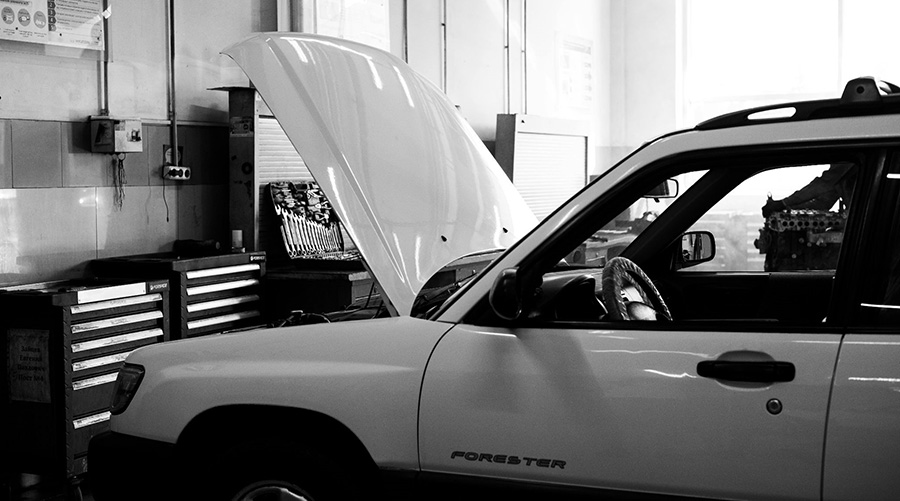
Unfortunately, common garage problems such as moisture, temperature swings, clutter, and weak security can quietly shorten your car’s lifespan. Over time, these issues lead to corrosion, drained batteries, scratches, and frustrating repairs. However, with smart planning, you can turn your space into a safer and more controlled environment.
In short, better garage design means better car longevity.
Quick Summary: Garage Design for Car Protection Checklist
-
Improve ventilation to reduce moisture and corrosion.
-
Upgrade security features to prevent theft and vandalism.
-
Regulate temperature to reduce stress on vehicle components.
-
Organize storage to prevent dents and scratches.
-
Improve lighting and fire safety to reduce accidents.
When these five areas work together, garage design for car protection becomes practical and affordable.
Build a Safer Garage With These Practical Design Fixes
A car-friendly garage does not need to be expensive. Instead, it needs to be dry, bright, secure, and organized. Therefore, focus on the basics first.
1. Ventilate First to Control Moisture and Fumes
First of all, control air movement. Moisture is one of the biggest threats to vehicle longevity. Without airflow, condensation forms on metal surfaces and tools.
Add passive vents on opposite walls to create cross-ventilation. If humidity remains high, install ventilation fans. In addition, crack a window slightly during short work sessions.
As a result, you reduce corrosion risk and protect sensitive parts.
2. Add Anti-Corrosion Protection Where Water Collects
Next, address wet floors and road salt. During winter, water and salt drip under the engine and around the garage door.
Seal cracks in the concrete slab. Then apply a floor sealer or coating. You can also use a rubber containment mat to catch runoff.
Because rust often starts underneath the vehicle, this step is essential in garage design for car protection.
3. Upgrade to Bright LED Lighting
Good lighting improves both safety and maintenance quality. Therefore, replace dim bulbs with bright LED shop fixtures.
Position lights above the hood, along both sides of the vehicle, and near your workbench. Furthermore, use separate switches for parking and repair tasks.
With better lighting, you can spot leaks, tire wear, and loose parts early.
4. Strengthen Garage Security
Security is another key part of garage design for car protection. Even small upgrades make a difference.
Start with the door between the garage and house. Install a deadbolt and reinforce the strike plate with longer screws. In addition, add a manual slide lock to the overhead door when traveling.
Finally, keep garage remotes out of vehicles parked outside. Layered security reduces theft risk and increases peace of mind.
5. Insulate and Seal to Control Temperature
Temperature swings create condensation. Therefore, stabilize the space.
Add weatherstripping to the garage door. Seal air gaps around outlets and pipe openings. If possible, insulate shared walls and garage door panels.
When temperatures stay consistent, metal surfaces collect less moisture. Consequently, your vehicle experiences less rust and material stress.
6. Design Storage That Protects the Parking Envelope
Clutter causes accidental damage. For this reason, create a 2–3 foot buffer around your vehicle.
Move items off the floor using shelves, wall hooks, rolling storage carts. Store heavy items low and lighter items higher up. Also, keep chemicals sealed and away from ignition sources.
Organized storage supports garage design for car protection by reducing dents, scratches, and fire risks.
Plan → Fix → Protect → Organize → Maintain
A strong garage does not happen all at once. Instead, follow a simple workflow.
| Stage | Action | Goal |
|---|---|---|
| Plan | Inspect for moisture, lighting gaps, and hazards. | Clear priorities. |
| Prep | Clear space and gather tools. | Fewer interruptions. |
| Control Air & Water | Improve airflow and seal leaks. | Lower rust risk. |
| Improve Visibility | Upgrade lighting and outlets. | Safer maintenance. |
| Secure & Organize | Reinforce entry points and store items properly. | Reduced theft and damage. |
| Maintain | Weekly cleaning and seasonal checks. | Prevent long-term issues. |
Because each step builds on the previous one, the process stays manageable.
Garage Safety Questions, Answered Simply
Q: How can improved ventilation and insulation in my garage prevent corrosion and weather damage to my car?
A: Moving humid air out and keeping temperatures steadier helps reduce condensation on metal, which is what feeds rust. Start by sealing obvious gaps, adding weatherstripping, and using a vent fan or passive vents to keep air exchanging. Keep wet tires and snow melt off the slab with a tray or mat so moisture is not lingering under the car.
Q: What are the best security technologies to protect my car from theft and vandalism in the garage?
A: Use layers: a solid door lock, a loud alarm or smart sensor, and a camera that records motion. Bright exterior lighting on a motion sensor also removes hiding spots and lowers anxiety when you pull in at night. If you want a simple rule, prioritize deterrence first, then recording.
Q: How should I design storage in my garage to reduce clutter and prevent accidental damage to my vehicle?
A: Define a “no storage” buffer around the parking area, then move everything else to wall-mounted shelves, cabinets, or pegboard. Put bulky items low and light items up high so nothing topples onto the car. Store chemicals in a lidded bin or metal cabinet away from ignition sources for basic garage fire safety.
Q: What lighting solutions make it easier to perform regular maintenance and spot potential issues in my garage?
A: Aim for bright, even overhead lighting plus a dedicated task light where you check fluids, tires, and brakes. Place lights to minimize shadows under the hood and along the sides of the car, since those are where leaks and scuffs hide. Consistent lighting improves what researchers call perceived safety, which makes maintenance feel less stressful and more doable.
Q: If unexpected repairs arise, how can I manage the uncertainty and costs associated with these by protecting my overall home and vehicle investments?
A: Design your garage to prevent the avoidable stuff first: moisture control, safe chemical storage, and clear walkways reduce rust, spills, and accidents that become surprise bills. Then separate “repair risk” from “damage risk” by reviewing what your insurance covers versus what a service-contract style plan covers, and write down the gaps in plain language. A short, written plan reduces decision fatigue when something breaks, and those exploring home warranty basics may find it useful to keep notes alongside your coverage review.
Choose One Upgrade to Improve Your Garage Design for Car Protection
It is frustrating when a well-maintained car suffers damage simply because the garage environment works against it. However, small improvements create long-term benefits.
Garage design for car protection is not about luxury upgrades. Instead, it is about controlling moisture, stabilizing temperature, improving lighting, strengthening security, and reducing clutter.
Pick one upgrade this weekend. Seal a draft. Improve airflow. Upgrade a lock. Clear a safety zone.
Over time, these small actions protect your vehicle, extend its lifespan, and make maintenance easier. A safer garage is always cheaper than preventable car damage. Be sure to read about Garage Setup Mistakes to avoid any mishaps while storing your car.
Good Sam Roadside Assistance
AUTO and RV Plans

If you are a highway traveler, for recreation or business, a roadside assistance is a must. How about unlimited miles? Good Sam is the number one choice for anyone that has a Car, Truck, Motorcycle or RV. Rates are very reasonable, better than the other guys...