
Moving to a new home brings excitement, but it also comes with a long list of responsibilities—especially when you need to safely transport tools and car parts. These items are often heavy, irregularly shaped, and sometimes hazardous, which makes them more challenging to move than everyday household goods.
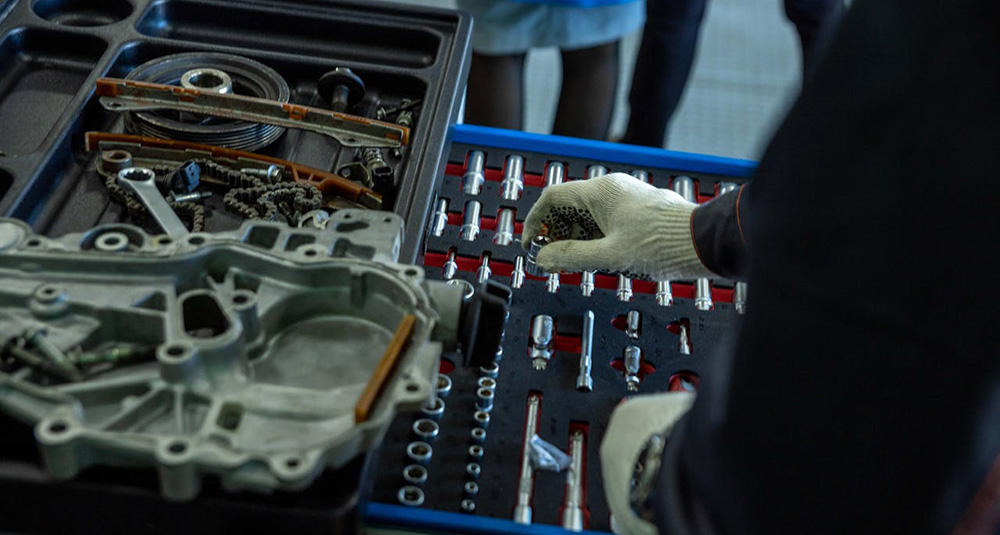
Whether you’re a DIY enthusiast, a mechanic, or simply someone with a well-stocked garage, knowing how to handle these items properly can save you time, money, and stress.
Why Tools and Car Parts Require Special Attention
To safely transport tools and car parts, it’s important to understand why they demand extra care in the first place. Unlike furniture or clothing, tools and automotive parts often include sharp edges, oily surfaces, and delicate components. Many are made of metal and prone to rust if exposed to moisture, while others contain fluids that can leak and cause damage.
Safely Transport Tools and Car Parts: Sorting and Decluttering Before Packing
Before you even think about packing, it’s worth going through your collection. Over time, most people accumulate duplicate tools, worn-out parts, or items they no longer use.
Separating what you truly need from what you can discard or donate will reduce the load and make packing more efficient. It also ensures that you’re not wasting time and effort moving unnecessary items.
Cleaning Tools and Parts Thoroughly
Clean tools are safer and easier to pack. Dirt, grease, and oil can damage other belongings or make boxes slippery and difficult to handle.
Take the time to wipe down each item, removing grime and residue. For car parts, ensure they are free of fluids such as oil or coolant. This step not only prevents messes but also protects your items from corrosion during the move.
Using the Right Packing Materials
Choosing appropriate packing materials makes a significant difference. Sturdy boxes, plastic bins, bubble wrap, and packing paper are all essential for protecting your tools and parts.
Heavy-duty containers are particularly important for metal tools and engine components. Reinforced boxes prevent breakage and reduce the risk of items tearing through the packaging.
Organizing Small Tools and Components
Small items like screws, bolts, and hand tools can easily get lost during a move. Keeping them organized will save you frustration later.
Use labelled containers, zip-top bags, or compartment organizers to group similar items together. This method keeps everything accessible and ensures nothing goes missing in transit.
Why Professional Help Can Be Worth It
Many people consider handling a move on their own. However, doing it yourself sounds easy enough until you try it and run into unexpected challenges. Why diy moving isn’t a smart choice? From lifting heavy equipment to properly securing valuable parts, the process can quickly become overwhelming.
Professional movers have the experience and equipment needed to handle these tasks safely. They understand how to pack, load, and transport specialized items, reducing the risk of injury and damage. In many cases, investing in expert help can save both time and money in the long run.
Safely Handling Automotive Fluids and Hazardous Materials
Car maintenance often involves fluids like oil, brake fluid, and antifreeze. These substances require careful handling during a move.
If possible, dispose of hazardous materials according to local regulations before moving. If you must transport them, ensure they are sealed tightly and stored upright in leak-proof containers.
Protecting Sharp and Heavy Items
Sharp tools such as saws, chisels, and drill bits should be carefully wrapped to prevent injuries. Use thick padding or protective covers to shield their edges.
Heavy items should be packed in smaller boxes to make them easier to lift. Overloading a single box increases the risk of injury and damage, so it’s better to distribute weight evenly.
Disassembling Larger Equipment
Some tools and car parts are simply too large to move as they are. Workbenches, engine stands, and bulky equipment should be disassembled when possible.
Breaking down large items makes them easier to transport and reduces the risk of damage. Keep all screws and components labelled so reassembly is straightforward.
Labelling Boxes for Easy Identification
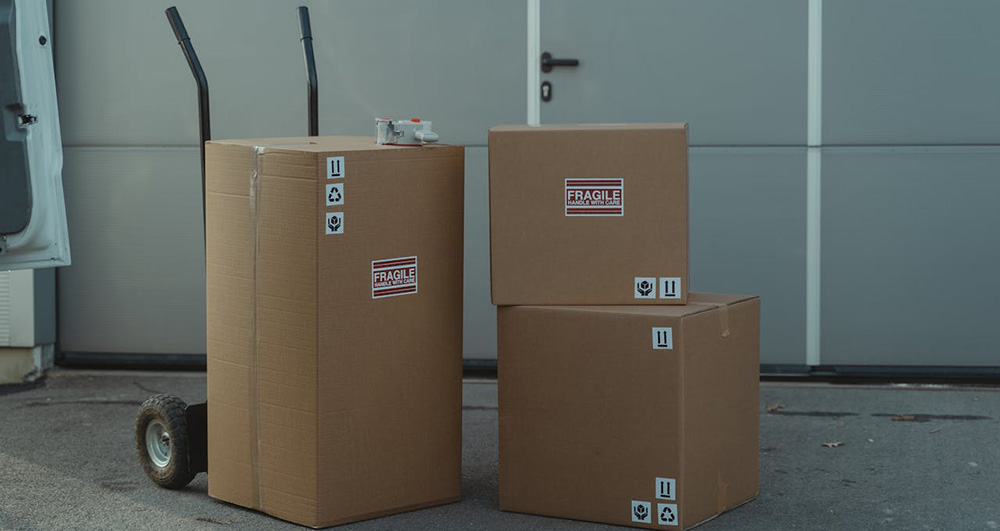
Clear labelling can make a huge difference when unpacking. Mark boxes with their contents and indicate if they contain fragile or heavy items.
This simple step helps movers handle boxes correctly and allows you to locate specific tools quickly when you need them.
Loading and Transporting with Care
When it comes time to load your items, placement matters; heavier boxes should go on the bottom, with lighter items stacked on top.
Secure everything tightly to prevent shifting during transit. Tools and car parts can cause serious damage if they move around inside the vehicle, so taking time to stabilize your load is crucial.

Preparing Your New Space in Advance
Before your tools and car parts arrive, make sure your new space is ready. Clear out a designated area in your garage or workshop so you can unload efficiently.
Having shelves, cabinets, or storage systems in place will make organizing your items much easier. It also prevents clutter and helps you get back to work quickly after the move.
Preventing Rust and Damage During Storage
Even after a successful move, proper storage is key to maintaining your tools and parts. Moisture control is especially important for metal items.
Use silica gel packs, rust inhibitors, or climate-controlled storage if needed. Taking these precautions ensures your tools remain in excellent condition for years to come.
Staying Organized After the Move
Once everything is unpacked, take the time to organize your tools properly. Group similar items together and create a system that works for your workflow.
An organized workspace not only improves efficiency but also makes future projects more enjoyable. It also ensures that your tools are easy to find and maintain.
The Importance of a Smooth Transition
Taking the right steps to safely transport tools and car parts can make a significant difference in how smoothly your move goes. From proper cleaning and packing to careful loading and storage, each stage plays a role in protecting your equipment and ensuring everything arrives intact. With a thoughtful approach and the right preparation, you can avoid common pitfalls and settle into your new space with confidence, knowing your valuable tools and parts are ready for use.

Join RodsShop Newsletter!
Keep up to date with the latest post, "How To' information, Products and much more. I will never blow up your inbox with useless info. My mission is to help the DIY car enthusiast.
I agree to receive emails from RodsShop, Privacy Policy and Terms
I appreciate your unique perspective on this.