
Creating a custom paint design starts long before the spray gun comes out. Most paint jobs fail weeks earlier, during planning. This guide covers everything from choosing the right mood and building references to working with body lines and finishing clean, so your next build turns out the way you actually pictured it.
Start With Mood, Not Paint Codes
A surprising number of home garage builds go sideways because the owner starts with a color instead of a feeling. You see someone fall in love with a candy orange online and buy materials immediately. Then halfway through masking, the car looks more cartoonish than aggressive. Decide what emotional lane your build belongs in before you ever look at swatches.
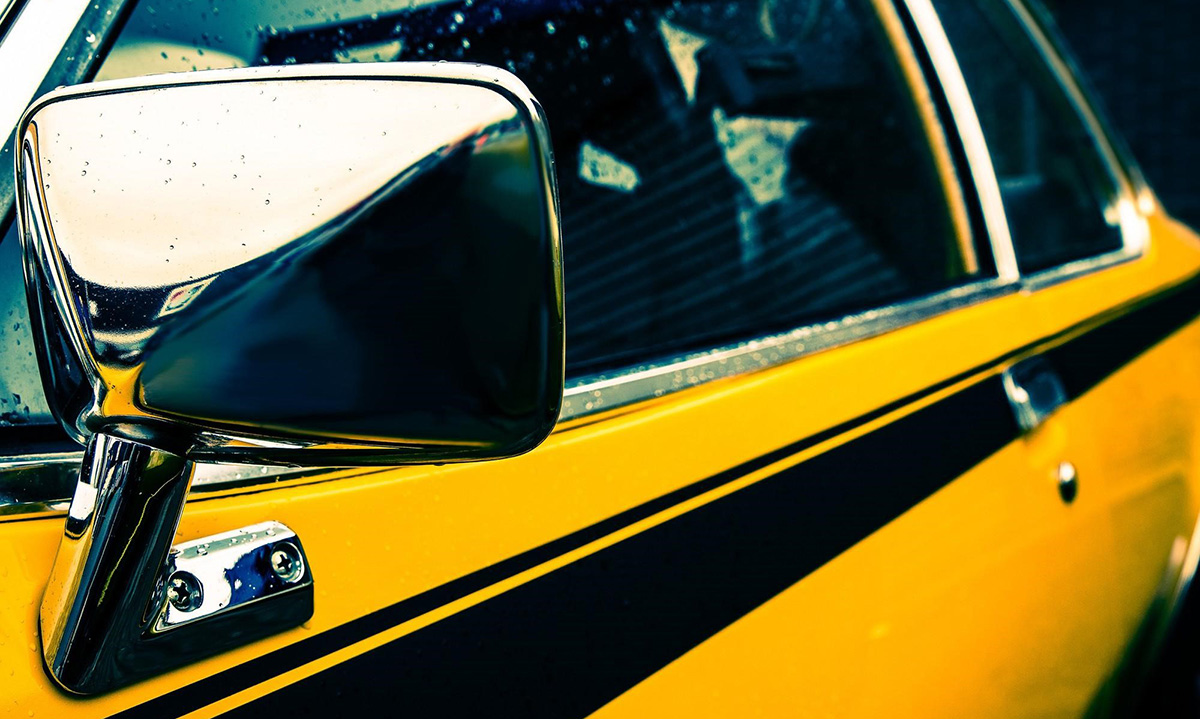
Maybe you want the car to feel low and sinister. Perhaps you want late 60s Trans Am energy. Maybe the goal is to recreate the sharp confidence of vintage drag cars. Narrow stripes and understated contrast can do a lot of that heavy lifting.
Looking through galleries filled with timeless two tone combinations helps you notice patterns. These are cars people still admire decades later. The common thread usually isn’t the exact shade itself. It’s proportion, restraint, and how the palette matches the personality of the body.
The Best Designs Usually Borrow Something
Nobody creates in a vacuum, even the builders who swear they do. A strong custom paint design often borrows from multiple eras at once. One project might take a roof treatment from a 70 Chevelle. Then it mixes in endurance racing graphics from the 90s. A modern satin finish gets added because the owner saw something wild at a cars and coffee event. Inspiration tends to stack itself in layers.
The trick is knowing when to stop piling references onto your custom paint design. Too many ideas and the whole thing turns visually noisy. A lot of builders get clarity by using virtual paint booth previews to test ideas before committing. Concepts that sound great in theory can collapse once they sit on a real vehicle silhouette.
Sometimes a stripe that looked aggressive on paper suddenly chops the car in half visually. Other times a simple accent line completely changes the stance. No suspension work required. That’s the weird magic of good graphic placement. Your eyes start believing the car is longer, lower, wider, or faster. All of that comes entirely from shape flow.
Sketch Everything Before You Commit
People underestimate how many ugly versions exist behind a great custom paint design. The polished final car online hides the twenty terrible concepts that came first. Even rough notebook sketches help because they force you to think spatially instead of emotionally. Once your brain starts placing graphics around door handles, wheel arches, and body creases, weak ideas reveal themselves quickly.
These days, hobbyists have access to creative AI art prompts from Adobe Firefly to speed up experimentation. It makes testing custom paint design ideas far less intimidating than it used to be. You can throw strange combinations into a generator just to see what happens. Vintage scallops on a modern hatchback. Endurance racing liveries on an old square body truck. Thin ghost graphics under matte clear.
Some concepts will look ridiculous instantly, which honestly saves money. Others suddenly unlock directions you never would have discovered otherwise. Staring at a blank garage wall with a tape measure will only get you so far.
Body Lines Decide Everything
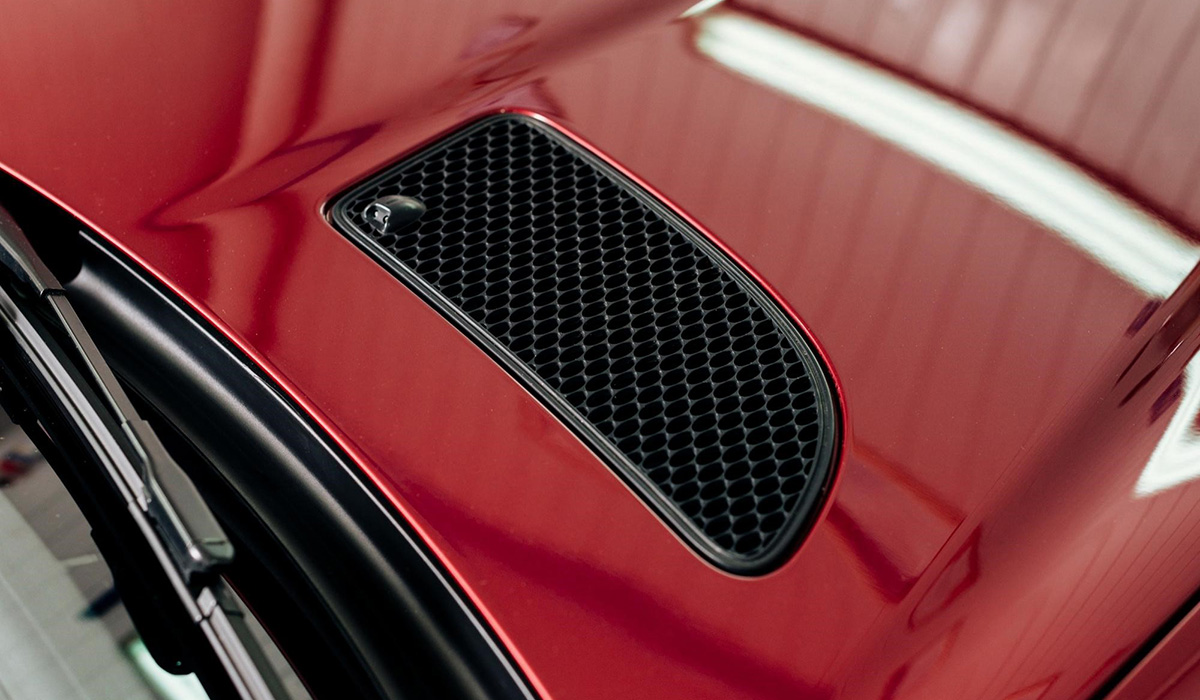
A custom paint design can look perfect on a screen and completely fail once it wraps around actual sheet metal. Cars are full of visual traps. Curved quarter panels stretch spacing differently than doors. Reflections distort angles. A line that starts clean near the front fender can appear to sag near the rear wheel opening.
Builders who study double curvature body shaping tend to understand this instinctively. They’ve spent time learning how metal naturally bends and carries light. That knowledge matters more than most people realize. Your custom paint design needs to cooperate with the body instead of fighting it.
One of the smartest things you can do is step back twenty feet while mocking up tape lines. View the car from multiple heights. Waist level perspective tells a completely different story than crouching near the bumper. The panel itself will usually tell you where the design wants to go. Stop forcing symmetry everywhere and let the body guide you.
Loud Isn’t Always Better
There’s a temptation with project cars to keep adding visual drama because each new layer feels exciting in isolation. Bigger graphics. More pearls. Another stripe. Maybe a ghost faded near the rocker panels because somebody online did it well on a totally different body style. The problem is that every added element competes for attention.
A cleaner layout often survives longer because your eye has somewhere to rest. Looking through examples of custom painted hood graphics makes this obvious fast. The memorable ones usually have one dominant idea supported by subtle secondary details rather than six competing focal points screaming simultaneously. Good paint schemes create rhythm. Your eyes travel naturally from the nose of the car toward the rear without getting interrupted by awkward visual traffic jams. Even race-inspired graphics work best when there’s restraint somewhere in the composition.
Let Repairs Shape The Design
A lot of great custom paint design ideas are born from imperfections the owner originally wanted to hide. Maybe the car needed quarter panel work after years of rust repair. Maybe a replacement fender never lined up visually once primer went on. Custom graphics can solve those problems in ways solid paint sometimes can’t.
A carefully placed stripe can redirect your eye away from a repaired seam. Contrasting sections can break up large body areas that still carry subtle waves from old metalwork. Both are smart tools in any custom paint design plan.
Smart builders also think about future repairs before finalizing a complicated design. Wild graphics stretched across five separate panels might look incredible now. But they become a nightmare if somebody backs into the car two years later. The strongest custom paint designs acknowledge the realities of the body underneath. Stop pretending the car rolled straight off a factory stamping press yesterday.
The Finish Is What People Remember
Most people won’t analyze your stripe layout when they first see the car. What they notice immediately is whether the entire custom paint design feels intentional. That sensation comes from consistency. The finish quality matches the ambition of the design. The graphics terminate cleanly. The colors belong together. Even aggressive builds feel composed instead of chaotic.
Following a disciplined showroom worthy finish process matters because a brilliant design can still collapse under sloppy execution. Dust in the clear coat, uneven masking edges, or rushed polishing work kills the concept instantly. The strongest custom paint designs don’t just show effort. They show patience. Always properly store your paint supplies to protect your investment between sessions.
A great custom paint design changes the way you experience your own car. You stop seeing disconnected parts and start seeing one complete object. One with a personality that feels deliberate from every angle. That comes from planning far more than impulse.
The builders who end up happiest rarely rushed toward the loudest color in the catalog. They studied proportions, tested ideas, and scrapped weak concepts. They let the shape of the car guide the final result. Somewhere between the reference photos, the sketches, and the late night second guesses, the design slowly becomes real. Then the spray gun comes out. By that point, the hard part is already done.
Secrets of Auto Body and Paint - 10 Steps to Paint a Car Like a Pro

Learn auto body and spray painting in 2 hours. This DVD course has over 100 videos to teach you everything you need to know and more, to becoming a professional auto body tech. Sign Up Now, and get your FREE Auto Body Repair Guide and Tips!!!