
A tradie’s van isn’t just transport—it’s a mobile workspace. Custom fit-outs organize tools, protect gear, and save time every day. Discover how purpose-built storage turns chaos into efficiency and why more tradies are upgrading their vehicles to work smarter.
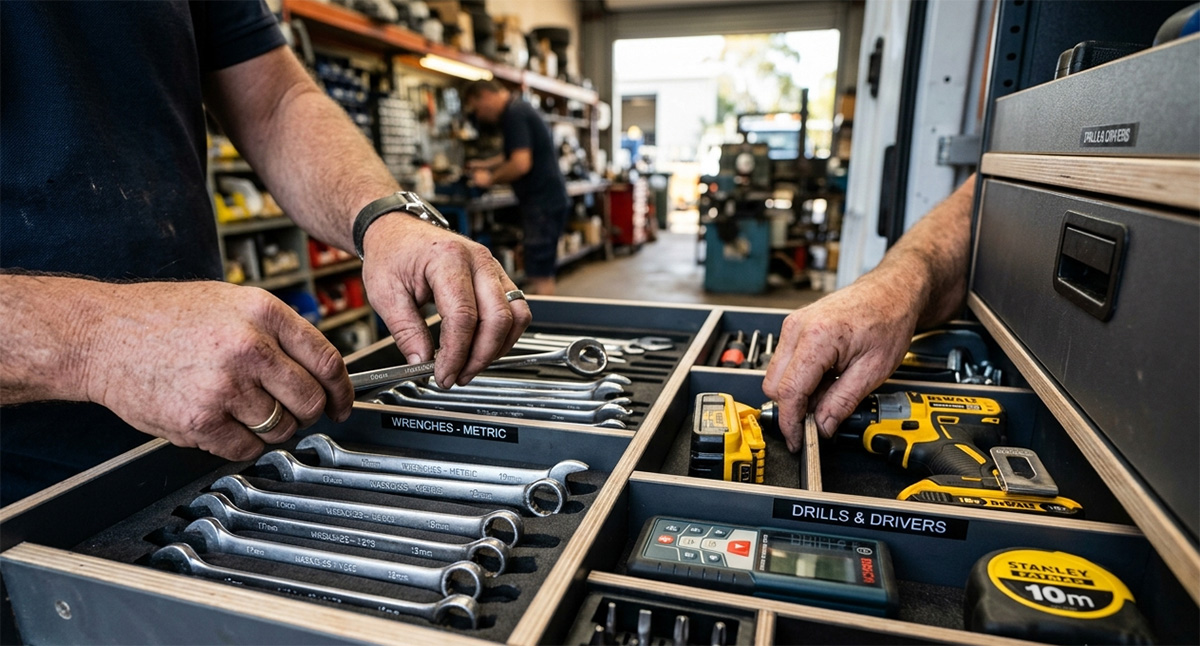
A tradie’s van used to be little more than a shell with tools thrown in the back, rattling around wherever they landed after the last job. That’s changing fast, as more drivers realize a well-organized vehicle isn’t just tidier. It’s genuinely faster to work from, safer to drive, and considerably easier to trust with expensive equipment day after day.
This shift toward custom fit-outs reflects a broader change in how people think about their work vehicle entirely, treating it as a genuine extension of the job rather than just transport to get there. Understanding what’s actually driving this investment helps explain why it’s become such a common upgrade across so many different trades.
What a Custom Fit-Out Actually Involves
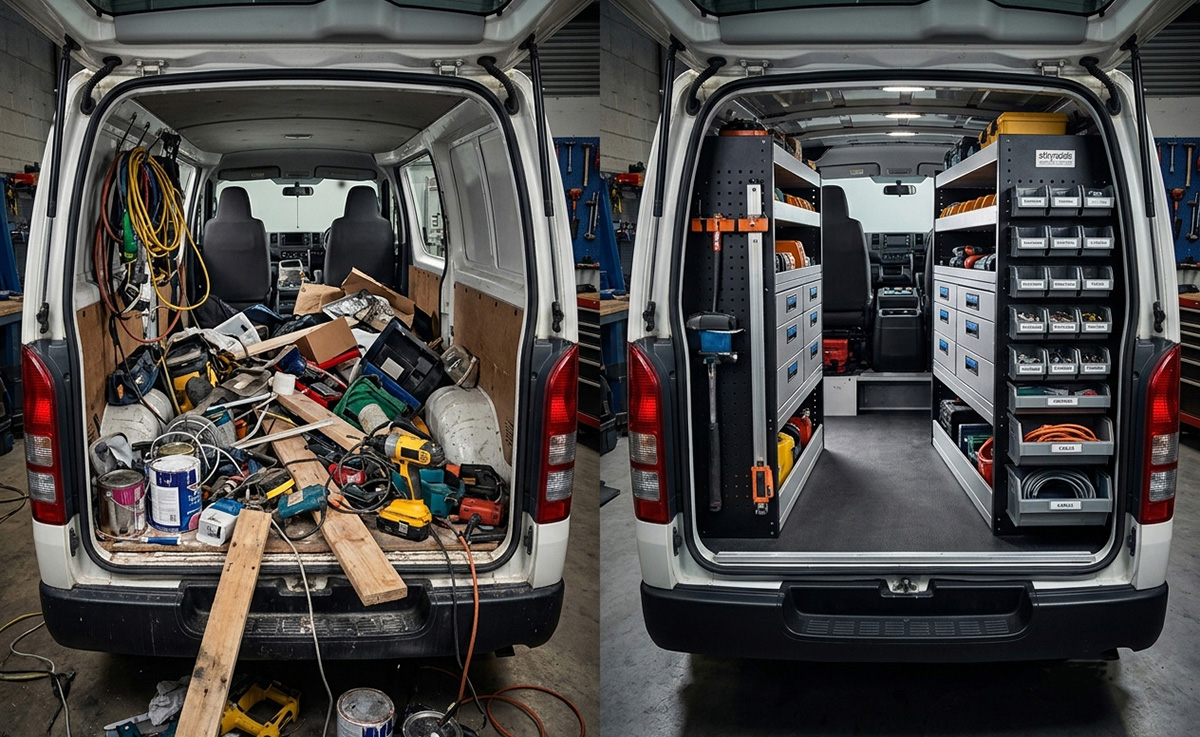
A custom fit-out typically includes purpose-built drawers, shelving, and racking systems designed around the specific tools and equipment a particular trade actually uses day to day. Beyond storage, it often extends to electrical systems for powering tools on site, secure mounting points, and load restraint systems that keep heavy items safely in place while driving.
This is considerably more involved than simply buying a few generic storage bins from a hardware store. A proper fit-out is planned around a vehicle’s actual weight limits, a driver’s specific workflow, and the real demands of the job, which is exactly why more drivers are choosing to invest in a professionally designed system rather than piecing something together themselves.
Why This Investment Makes Sense for So Many Drivers
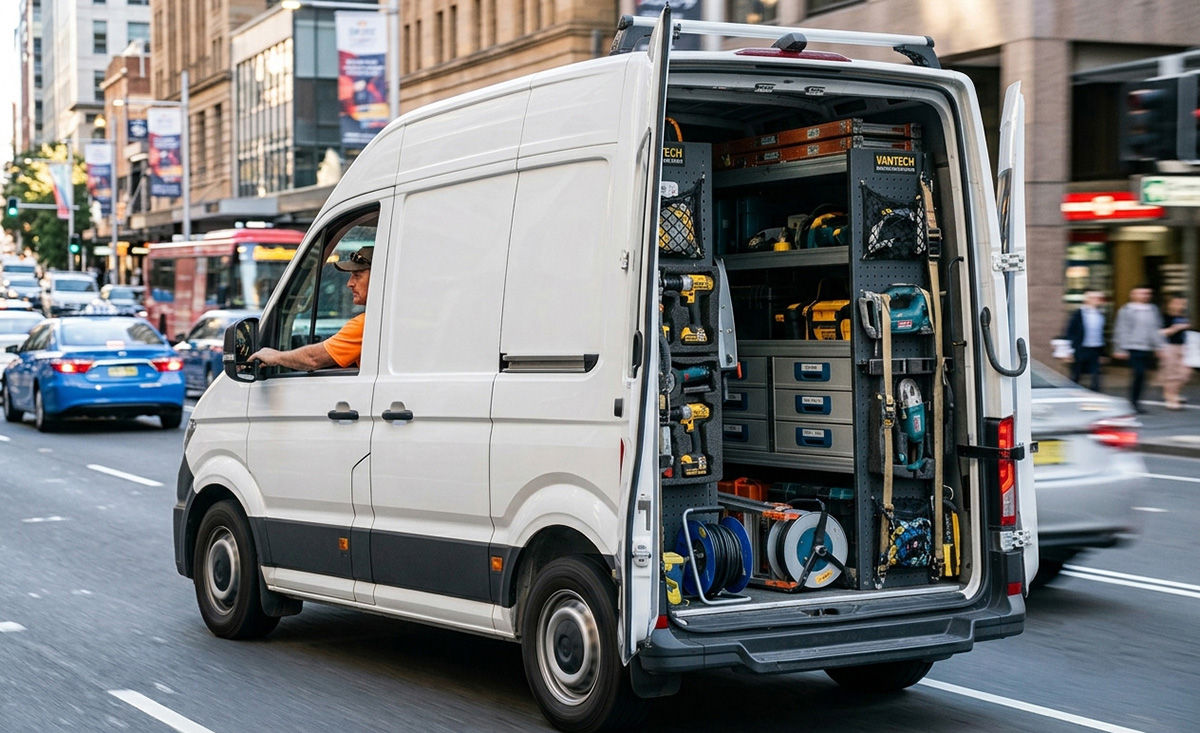
A custom fit-out isn’t just about looking more professional on the job site, though that’s certainly part of the appeal. Here are five reasons this investment has become so common across a wide range of trades and industries:
1. Turns a Vehicle Into a Genuine Mobile Workspace
A properly fitted-out vehicle functions less like transport and more like a compact, purpose-built workspace, with everything positioned exactly where it’s needed for the job at hand. This transformation changes how a driver actually works throughout the day, since tools and materials are organized around real workflow rather than scattered wherever they happen to fit. Many tradies describe this shift as changing how efficiently they can move from one task to the next without unnecessary back-and-forth.
2. Protects Tools and Equipment From Damage and Theft
Loose tools rattling around an unsecured vehicle interior are far more likely to sustain damage from constant movement, vibration, and impact during everyday driving. Custom fit-outs typically include secure, lockable storage that also protects valuable equipment from opportunistic theft, a genuine concern for trade vehicles parked at job sites throughout the day. This protection alone can justify the investment for drivers carrying equipment worth thousands of dollars.
3. Proper Storage Reduces Time Wasted Searching for Gear
A disorganized vehicle interior means real time lost every single day simply searching for the right tool or part buried somewhere in a cluttered space. Purpose-built storage, with everything assigned a specific, consistent place, removes this daily friction almost entirely. Over the course of a year, this saved time adds up to a genuinely meaningful improvement in how much work actually gets done.
4. Supports Safer, Compliant Load Restraint
Heavy tools and equipment that aren’t properly secured pose a real safety risk during sudden braking, cornering, or an accident, both to the driver and to other road users. According to the National Transport Commission (NTC), vehicles carrying loads must ensure those loads are properly restrained and do not create a danger to drivers, passengers, or other road users.
Custom fit-outs are designed specifically to keep loads restrained in line with official performance standards, rather than relying on loose straps or makeshift solutions. This compliance matters both for genuine safety and for meeting legal load restraint requirements.
5. A Well-Planned Fit-Out Pays for Itself Over Time
While a custom fit-out represents a genuine upfront investment, the combination of time saved, equipment protected, and reduced vehicle wear tends to offset that cost considerably over the vehicle’s working life. Many drivers find that the daily efficiency gained alone justifies the expense within the first year of use. This long-term value is a significant reason more drivers view a fit-out as a genuine business investment rather than simply an accessory.
Choosing a Fit-Out Built Around Your Actual Work
Not every fit-out provider takes the time to understand the specific demands of a particular trade before designing a layout, and that difference shows up clearly in how well the final result actually serves daily use. A fit-out designed around a driver’s real workflow, rather than a generic template, tends to deliver considerably more value over the life of the vehicle. This kind of tailored planning requires genuine experience across different trades and vehicle types, not just familiarity with a single standard layout.
As covered by the team at Jaram Australia, a fit-out designed around the actual work a vehicle needs to support consistently outperforms a generic, one-size-fits-all setup over the life of the vehicle. Taking the time to work with a provider who understands these specific, practical demands tends to produce a fit-out that genuinely earns its place in day-to-day work.
What This Looks Like for Different Trades
The specific details of a fit-out vary considerably depending on the trade and the equipment it needs to support. A few common examples show just how tailored this planning actually gets.
- Electricians: Fit-outs often prioritize secure cable storage, testing equipment protection, and organized small-part drawers for fittings and connectors.
- Plumbers: Storage typically emphasizes pipe racking, larger tool compartments, and water-resistant sections for wet or dirty equipment.
- Mobile mechanics: These setups often include heavier-duty shelving for diagnostic tools, fluids, and larger replacement parts.
- Delivery and logistics drivers: Fit-outs here tend to focus on maximizing secure cargo space and efficient load restraint for varied parcel sizes.
This kind of trade-specific planning is exactly what separates a genuinely useful fit-out from a generic storage solution that doesn’t quite fit how someone actually works.
Conclusion
Custom vehicle fit-outs have become such a common investment because they solve real, everyday problems that generic storage simply can’t address, from wasted time to unsecured, poorly protected equipment. For drivers who rely on their vehicle as a genuine extension of their work, this kind of thoughtful, purpose-built setup tends to pay for itself many times over. Anyone still working out of a disorganized vehicle interior may find this is exactly the upgrade worth prioritizing next.