
There are two kinds of car owners. The first books the service when the sticker says to. The second waits until something makes a noise, then hopes it goes away. You can usually tell which is which by the size of their repair bills.
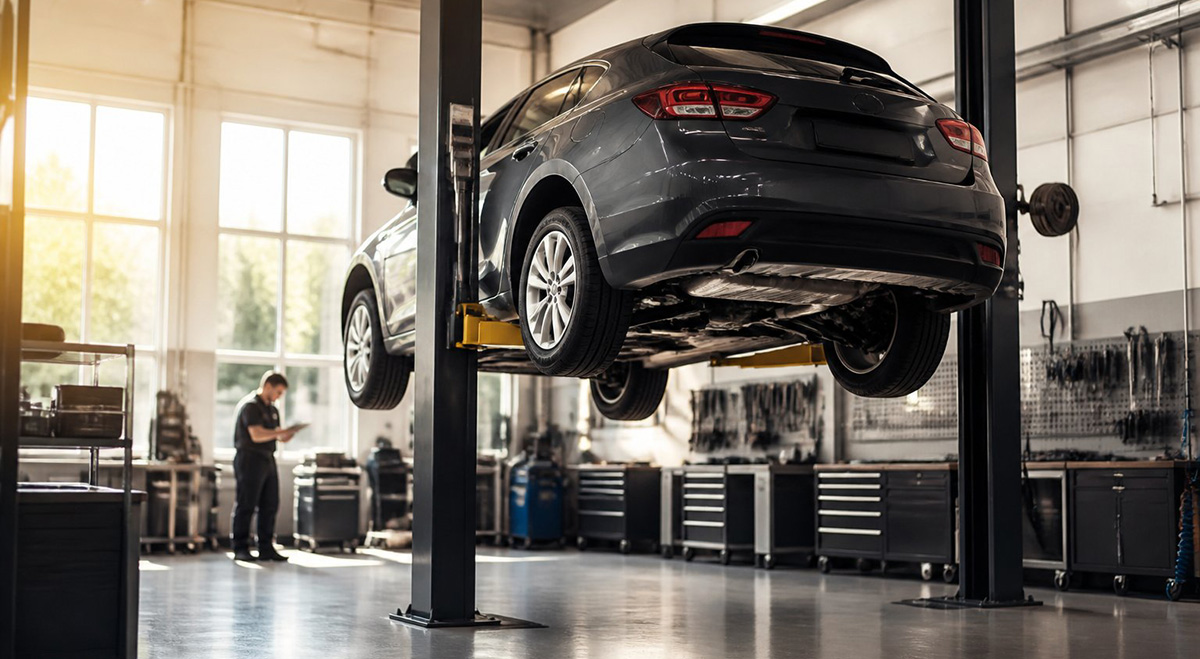
So how does a routine service you can easily put off actually save you from the big, ugly invoices? It comes down to catching small things before they become large ones. Whether you drive in Perth or anywhere else, here is how regular maintenance quietly prevents the repairs nobody wants to pay for.
Why Small Faults Turn Into Big Bills
Almost every catastrophic car failure started life as a cheap, minor issue that was ignored. A low fluid level, a small leak, a worn belt or a slightly glazed brake pad is a minor job when caught early. Left alone, each one cascades. Low oil causes engine damage. A tired timing belt becomes a wrecked engine. A weeping seal becomes an overheating problem. The repair does not just get bigger, it multiplies, because one failed part often drags others down with it.
A service is essentially a scheduled chance to catch these while they are still small and cheap. That is the entire logic behind maintenance intervals: intervene on a five dollar problem before it becomes a five thousand dollar one.
The Expensive Failures a Service Is Designed to Catch
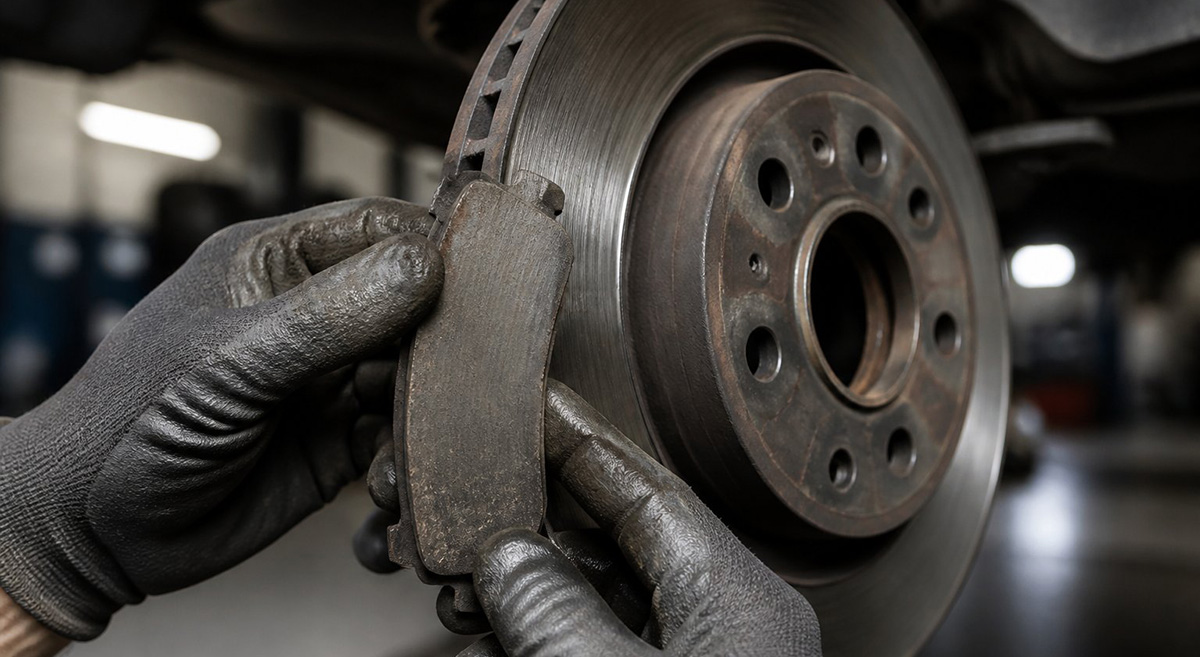
A routine service is not a vague once-over. It is a systematic check of the specific parts most likely to fail expensively, and the value lies in what each check prevents.
- Engine damage, headed off by fresh oil and filters that keep internal parts lubricated and free of sludge
- Cooling system failures, caught by spotting low coolant, perished hoses and a tired thermostat before the engine overheats
- Brake system damage, avoided by replacing pads before they wear down and chew into the discs behind them
- Timing belt failure, prevented by replacing the belt on schedule rather than after it snaps and bends valves
- Battery and charging faults, flagged by testing a weakening battery before it leaves you stranded
Every one of these is dramatically cheaper to prevent than to repair. A set of brake pads is a small fraction of the cost of new discs and calipers, and an oil change is nothing next to a rebuilt engine.
How Servicing Protects Your Engine Specifically
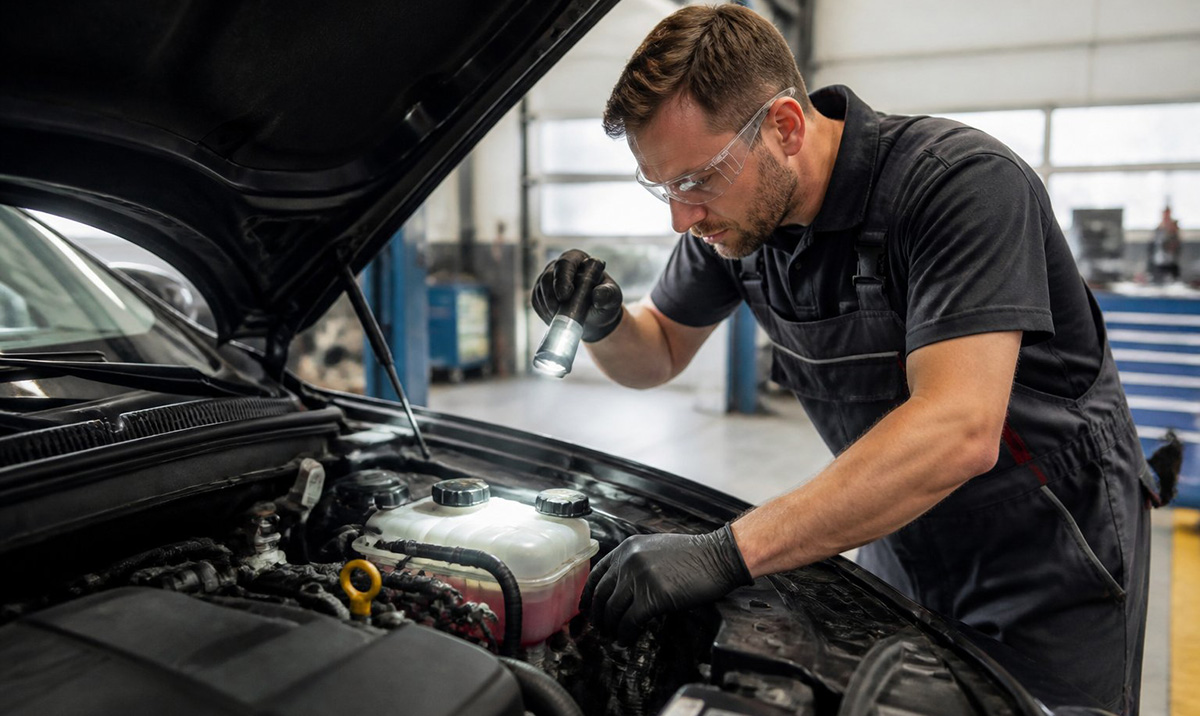
The engine is where neglect gets most expensive, so it is worth understanding what regular service actually does for it.
Oil is the heart of the matter. It lubricates, cools and cleans the engine’s internals, but it breaks down over time and collects contaminants. Old oil turns to sludge, which starves parts of lubrication and accelerates wear. Changing it on schedule is the single most cost-effective thing you can do for a car. Fresh filters matter for the same reason, keeping grit and debris out of the systems that cannot tolerate them.
Skip this for long enough and the damage is often terminal. Engines that reach high mileage in good health are almost always the ones whose oil was changed religiously.
Why This Matters More Than It Used To
Cars are being kept on the road far longer than they once were, which makes ongoing maintenance more important, not less. In the final ABS Motor Vehicle Census, the average age of registered vehicles had reached 10.6 years, according to the Australian Bureau of Statistics.
An older fleet means more owners are relying on cars well past the point where neglect starts to bite. A newer car can forgive a missed service or two. A ten or fifteen year old vehicle cannot, and the ones that stay healthy into old age are, almost without exception, the ones that were serviced consistently along the way.
The True Value of Regular Servicing
Keeping up with routine maintenance is one of the simplest ways to protect your investment in a vehicle. Staying on top of a regular car service helps support long-term reliability, maintain performance, and gives technicians the opportunity to identify minor issues before they develop into more costly repairs.
A consistent service history can also benefit you when it’s time to sell or trade in your car. Many buyers see documented maintenance as a sign that a vehicle has been well cared for, which can increase confidence in its overall condition.
Westside Auto Wholesale offers logbook servicing and repairs alongside its Perth dealership, making it convenient for owners to keep their vehicles maintained according to the manufacturer’s recommended schedule.
Perhaps just as importantly, regular servicing gives you greater peace of mind. Instead of wondering whether your vehicle is overdue for essential maintenance, you can drive with confidence knowing it has been inspected and serviced to help keep it running at its best.
Simple Habits Between Services
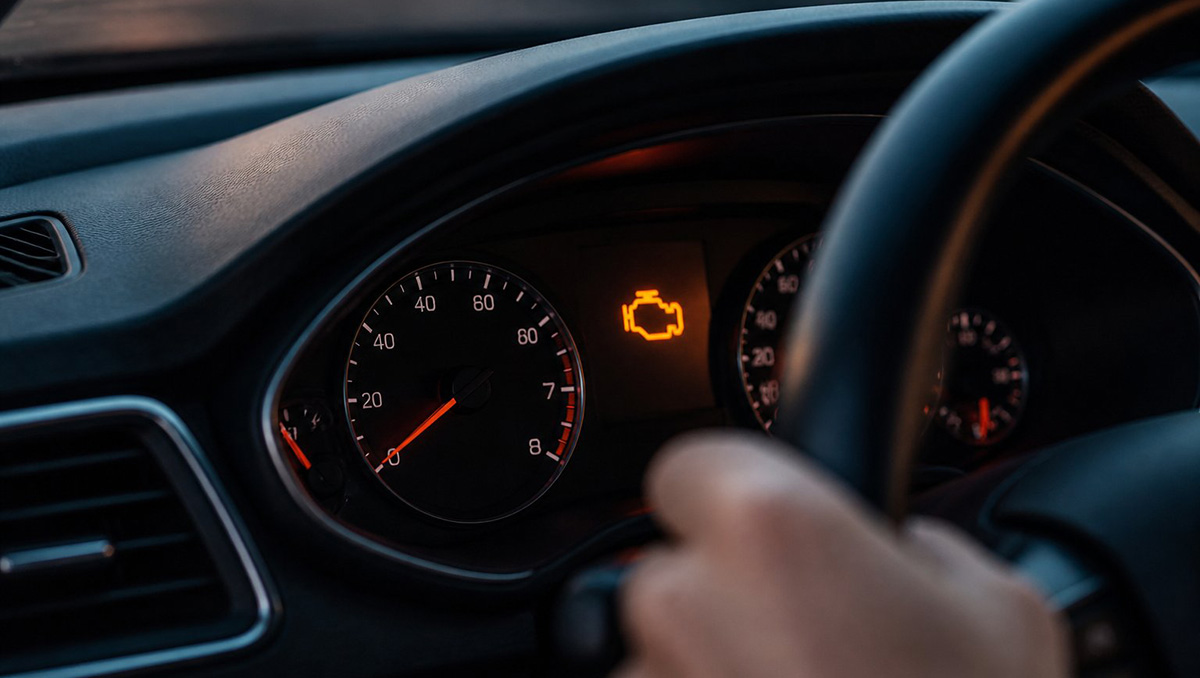
Servicing does the heavy lifting, but a few easy habits between visits help catch problems even earlier.
- Check your oil and coolant levels roughly once a month
- Keep an eye on tyre pressure and tread depth
- Pay attention to new noises, smells or vibrations
- Never ignore a dashboard warning light in the hope it clears itself
- Keep a simple record of what was done and when
None of this requires mechanical skill. It just means noticing changes early, which is exactly when they are cheapest to fix. A strange noise investigated this week is almost always cheaper than the same noise ignored until next month.
Conclusion
Regular servicing is not really an expense. It is insurance against a much larger one, trading a small, predictable cost now for protection against the enormous, unpredictable bills that neglect eventually produces. Don’t forget that even regular car cleanings help extend the life of your vehicle as well.
Book the service when it is due, deal with small issues while they are still small, and keep the records. Do that, and you sidestep almost every expensive repair that catches out the owners who wait for the noise.
This is general information rather than specific mechanical advice, so follow your manufacturer’s schedule and your mechanic’s guidance for your particular vehicle.

Join RodsShop Newsletter!
Keep up to date with the latest post, "How To' information, Products and much more. I will never blow up your inbox with useless info. My mission is to help the DIY car enthusiast.
I agree to receive emails from RodsShop, Privacy Policy and Terms