
Why is knowing how to store spare auto parts so important, what value can it offer? Spare auto parts are valuable investments for car owners, collectors, mechanics, and anyone who likes to be prepared for future repairs. Whether you keep extra filters, belts, sensors, or larger components like alternators and brake assemblies, proper storage plays a crucial role in maintaining their quality.
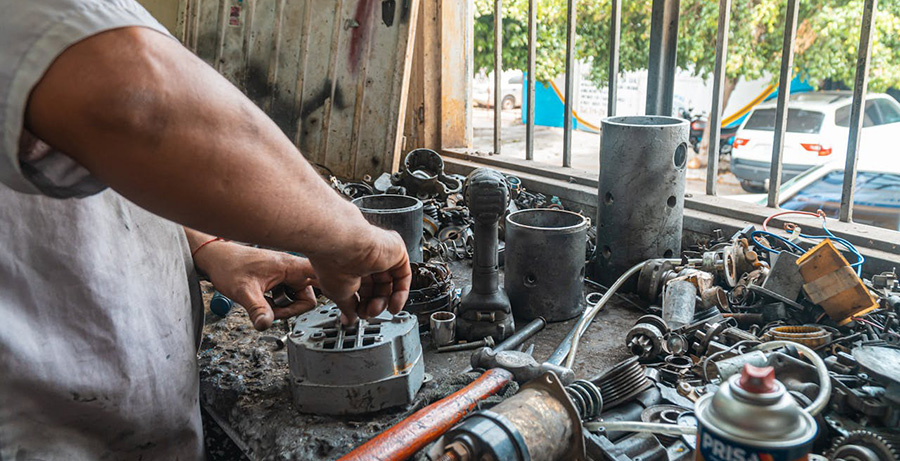
When parts sit unused for long periods, they can deteriorate due to moisture, dust, temperature changes, or poor handling. Improper storage can lead to corrosion, rubber cracking, electrical failure, or contamination that makes a part unreliable when you finally need it.
Learning how to store spare auto parts without damaging them helps protect your investment and ensures those components remain ready for use. With a few thoughtful strategies, you can preserve the condition of your spare parts and extend their shelf life. Proper storage also keeps your workspace organized and makes it easier to locate what you need during repairs.
Why Proper Storage Matters for Spare Auto Parts
Understanding how to store spare auto parts properly is essential for protecting their performance and longevity. Many vehicle components are built to withstand demanding conditions while in use, but they can deteriorate quickly when stored incorrectly. Exposure to humidity, dust, or temperature fluctuations can weaken materials like rubber, plastic, and metal. Learning the right storage practices helps prevent unnecessary damage and ensures your spare parts remain reliable when you need them most.
Keep Moisture Under Control
Moisture is the primary enemy of many automotive components. Even a small amount of humidity can eventually lead to rust or corrosion if parts remain exposed for long periods.
Using sealed containers or storage bins helps protect smaller components from damp air. Desiccant packs or silica gel packets placed inside containers absorb excess moisture and help maintain a dry environment.
For larger parts that cannot fit into sealed containers, covering them with breathable protective materials can reduce exposure to humidity while still allowing air circulation. Avoid wrapping parts tightly in plastic unless they are completely dry, as trapped moisture may accelerate corrosion.
Store Parts in Their Original Packaging When Possible
Original packaging often provides the best protection for spare auto parts. Manufacturers design packaging materials specifically to prevent contamination, protect sensitive surfaces, and cushion components during transportation.
Boxes, foam inserts, and sealed bags help keep dust and debris away from delicate parts. If the packaging includes labels or part numbers, it also makes identification much easier later on.
If the original packaging is no longer available, choose storage containers that provide similar protection. Use padded materials for fragile items and avoid placing heavy objects on top of smaller components.
Choose a Clean and Dry Storage Location
The first step in protecting spare auto parts is selecting the right place to store them. A clean, dry environment helps prevent moisture buildup, which is one of the most common causes of corrosion and deterioration.
Garages, workshops, and storage rooms are typical locations for spare parts. However, the condition of the space matters more than the location itself. Areas prone to leaks, flooding, or excessive humidity can quickly damage stored items.
A temperature-controlled space is ideal because extreme heat and cold can weaken certain materials. Stable conditions help rubber seals maintain flexibility and prevent condensation from forming on metal surfaces.
Protect Rubber and Plastic Components
Rubber and plastic parts require special attention during storage because they can degrade over time when exposed to sunlight, heat, or certain chemicals.
Items such as belts, hoses, gaskets, and seals should be kept away from direct sunlight and high temperatures. Ultraviolet rays can weaken these materials, causing them to become brittle or lose flexibility.
It’s also important to keep rubber parts away from sources of ozone, such as electric motors or welding equipment. Ozone exposure can accelerate cracking and deterioration, reducing the lifespan of these components.
Prevent Corrosion on Metal Parts
Metal parts are particularly vulnerable to corrosion when exposed to moisture or air pollutants. Even small amounts of oxidation can affect the performance of precision components like bearings or brake parts.
Applying a light protective oil or corrosion inhibitor to exposed metal surfaces can help prevent rust during long-term storage. Many replacement parts come with protective coatings from the manufacturer, and it’s best to leave those coatings intact until installation.
Wrapping metal parts in anti-corrosion paper or placing them in sealed containers also reduces exposure to air and humidity.

How to Store Spare Auto Parts: Maintain a Clean and Clutter-Free Storage Area
Limited room in a garage or workshop often leads people to rent a storage unit so they can keep equipment and spare parts in proper conditions. Once you secure extra space, focus on how to keep your storage unit clean and free from clutter by following simple habits that prevent buildup and confusion over time.
First, make a plan for decluttering before you move items into the unit. Sort tools, components, and equipment by category, then remove items you no longer use. This approach reduces unnecessary bulk and helps maintain a more organized space where every item has a clear location.
Next, create an inventory of everything inside the unit. A basic list or labeled boxes allows you to track spare parts quickly and avoid opening multiple containers. Clear records also prevent duplicate purchases and help you locate parts without shifting stacks of equipment.
Finally, take on small tasks at a time instead of letting clutter accumulate. Spend a few minutes each visit wiping shelves, returning tools to their assigned spots, and discarding packaging or broken pieces. Consistent maintenance keeps the unit clean, protects delicate components from dust and damage, and allows you to access the parts you need without delay.
Organize Parts by Category and Size
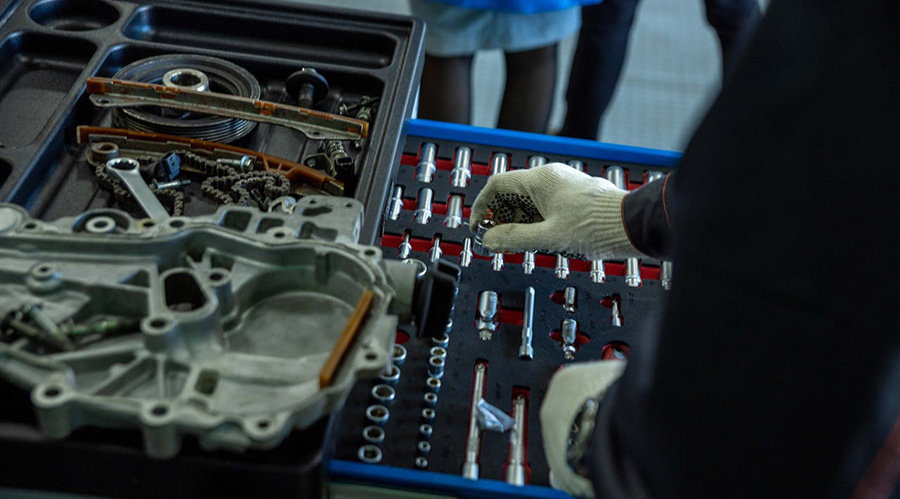
A well-organized storage system protects parts from accidental damage while making them easier to locate. Mixing small sensors with heavy mechanical components can lead to scratches, dents, or broken connectors.
Separating parts by category, such as engine components, electrical parts, or suspension pieces, helps maintain order in your storage area. Larger items should be placed on sturdy shelves where they won’t crush smaller components.
Labeling containers or shelves prevents confusion and saves time during repairs. When everything has a designated place, it becomes much easier to maintain a tidy workspace.
Avoid Stacking Heavy Items Improperly
Improper stacking is another common cause of damaged spare parts. Heavy components placed on top of lighter ones can cause bending, cracking, or deformation.
Shelving systems are a better solution than floor stacking because they distribute weight evenly and provide easier access to each item. Adjustable shelves allow you to accommodate parts of different sizes without forcing them into tight spaces.
When stacking is unavoidable, place heavier parts on the bottom and lighter, more delicate items on top. Protective padding between layers can reduce pressure and prevent scratches.
Check Stored Parts Periodically
Even well-stored auto parts benefit from occasional inspection. Checking your inventory every few months allows you to spot early signs of rust, moisture buildup, or material degradation.
During inspections, ensure containers remain sealed, and protective coatings are still intact. If you notice condensation inside storage bins, replacing desiccant packs can help restore a dry environment.
Periodic checks also allow you to reorganize parts and confirm labels remain readable. This simple maintenance step ensures your storage system continues to work effectively.
Handle Spare Parts Carefully
Proper handling is just as important as proper storage. Dropping or mishandling components can cause internal damage that may not be immediately visible.
When moving parts in and out of storage, use both hands for heavier items and avoid dragging components across rough surfaces. Sensitive electrical parts should be handled gently to prevent damage to connectors or wiring.
Taking a few extra moments to handle parts carefully can prevent costly mistakes and ensure everything remains in good condition.
Plan Your Storage System for Long-Term Use
A thoughtful storage system saves time and protects your parts over the long term. As your collection of spare components grows, having a structured setup becomes increasingly important.
Investing in durable shelving, labeled containers, and protective packaging materials can make a significant difference in preserving your inventory. These solutions help keep parts accessible while reducing the risk of damage from environmental factors or improper handling.
A well-planned storage system also supports efficiency in your garage or workshop. When parts are easy to find and properly protected, repairs and maintenance tasks become much smoother.
Extending the Life of Your Spare Parts
Learning how to store spare auto parts the right way can make a significant difference in their lifespan and reliability. By protecting components from moisture, organizing them carefully, and maintaining a clean storage area, you reduce the risk of corrosion, material degradation, and accidental damage. Proper storage ensures that every part remains ready for use when repairs are needed. With a thoughtful approach and consistent organization, you can preserve the value of your spare auto parts and keep your workspace efficient and dependable. Some of this can be obtained by Simple Garage Upgrades.

Join RodsShop Newsletter!
Keep up to date with the latest post, "How To' information, Products and much more. I will never blow up your inbox with useless info. My mission is to help the DIY car enthusiast.
I agree to receive emails from RodsShop, Privacy Policy and Terms