
Twenty years in the same garage leaves a mark. There is the coffee can of mystery bolts, the shelf of take-off wheels, and the carburetor you rebuilt twice but never installed. When a move, a sale, or a downsizing forces the door shut, every DIY mechanic faces the same question.
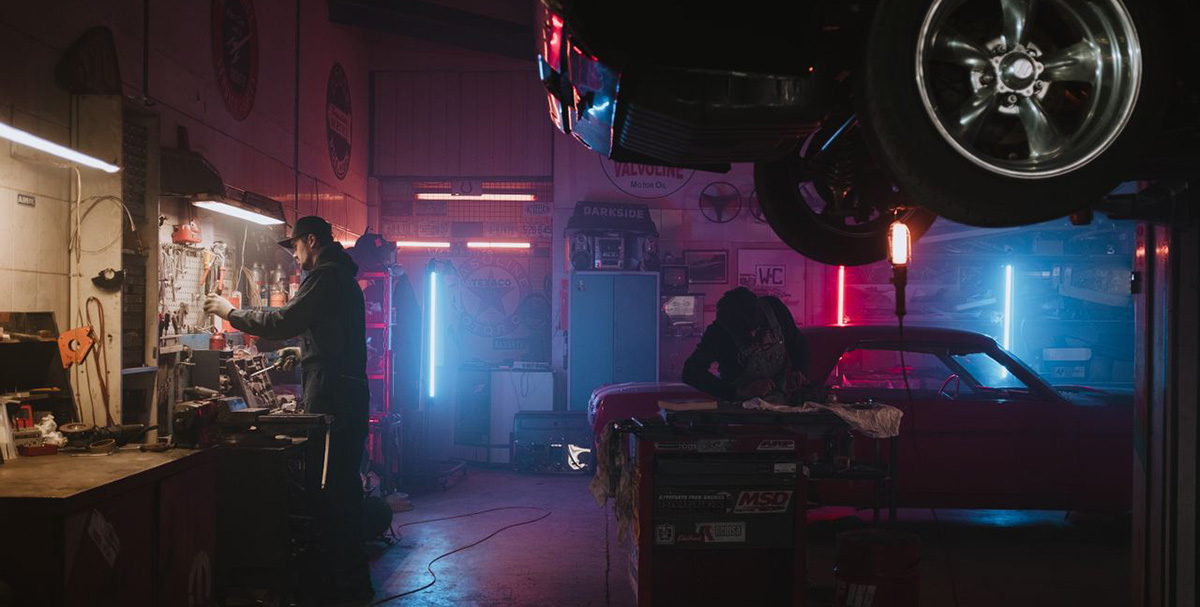
Deciding which parts to take before you leave a long-time garage behind comes down to rarity, usefulness, and honest plans for the next project. Getting those calls right saves money, space, and a few regrets once the new workshop takes shape.
Why Is Leaving a Long-Time Garage So Hard?
Leaving a long-time garage is hard because it holds years of projects, half-finished plans, and parts that each carry a story. Most home mechanics also keep things “just in case,” since the one time you throw a bracket away is usually the week you need it. Over decades, that habit fills every shelf, rafter, and corner.
Space at the new place rarely matches the old one. A three-car garage in the suburbs might shrink to a single bay or a rented unit across town. Many long-time garages also hold tools inherited from a parent or mentor, which adds emotional weight to every decision. Facing that math early, especially with bulky items like spare wheels, tires, and auto parts, keeps the move from turning into a frantic last-weekend purge.
Where Should You Start Sorting a Garage Full of Parts?
Start with the largest and least-used items, because they free up the most room for sorting everything else. Engine blocks, spare body panels, and old exhaust systems often sit untouched for years. Once you decide on those, the smaller shelves feel far less overwhelming. Sort every part into one of four groups:
- Keep, for parts tied to a current or planned project
- Sell, for valuable parts you will never use
- Donate, for usable parts a school shop or car club could use
- Recycle, for scrap metal, worn parts, and dead batteries
A realistic timeline makes the sorting stick. Give yourself several weekends rather than one marathon day, and photograph anything you sell so you can still remember it. A plan for clearing out the space before the movers arrive keeps you from hauling junk to a new garage just because time ran out.
What Are the Parts to Take Before You Leave a Long-Time Garage Behind?
The parts worth taking are the ones that are rare, expensive to replace, or tied to a vehicle you still own or plan to build. Discontinued OEM parts top the list, since original trim pieces, badges, and model-specific brackets can be nearly impossible to find later. OEM parts are components made by the original vehicle manufacturer rather than an aftermarket supplier.
Matching-numbers components, meaning parts whose stamped numbers match a car’s original factory build, deserve the same protection. They can add real value to a classic at sale time. Rebuilt assemblies, such as a freshly done carburetor or transmission, also earn their space if they fit a car you own. Generic hardware, common filters, and worn wear items are usually cheaper to replace than to move.
Which Fluids and Chemicals Should Stay Behind?
Most fluids and chemicals should stay behind, because movers typically refuse flammable or leaking containers. Gasoline, old brake fluid, half-used paint, and opened coolant are better sent to recycling or hazardous-waste collection before moving day. Check your county’s household hazardous waste schedule early, since collection days may only happen once a month. Sealed, unopened products may travel in your own vehicle if local rules allow it.
Used oil deserves extra care. According to the EPA’s guidance on managing and recycling used oil, the oil from a single change can contaminate one million gallons of fresh water. Many auto parts stores and municipal collection sites accept used oil and filters for free. One drop-off can clear years of jugs from the garage.
How Should You Protect Parts on the Way Out?
Protect parts by draining fluids, padding sharp edges, and packing heavy pieces separately from fragile ones. Wrap chrome trim and painted panels in moving blankets, and label every box with the vehicle or project it belongs to. Small fasteners travel best in labeled zip bags taped inside the box with their parent part.
Weight distribution inside the truck counts as much as packing. Heavy items such as cylinder heads or wheel sets belong low and close to the front wall. The basics of transporting tools and car parts, from securing loose bolts to strapping down toolboxes, keep a cargo shift from damaging the parts you kept.
How Do You Store Parts Once They Reach the New Place?
Store parts in a dry, climate-stable spot, raised off concrete floors, and organized by project. Concrete wicks moisture, so metal parts left directly on a garage floor can develop rust within a season. Sturdy shelving, sealed plastic bins, and a light coat of protectant on bare metal go a long way.
A simple inventory keeps you from buying parts you already own. List each bin’s contents and which vehicle they fit, then tape that list to the shelf. Good habits for storing spare auto parts, such as using desiccant packs and avoiding direct sunlight, keep your collection ready for the next build.
Bring the Parts That Build Your Next Chapter
Choosing the parts to take before you leave a long-time garage behind is part practical math and part honest reflection. Keep the rare, the original, and the pieces tied to cars you still plan to build. Let the rest move on to someone who will use them. Recycle fluids responsibly, pack heavy parts with care, and set up dry storage before the first box arrives. Start this weekend with the biggest item in the garage, and make a keep, sell, donate, or recycle call.
Good Sam Roadside Assistance
AUTO and RV Plans

If you are a highway traveler, for recreation or business, a roadside assistance is a must. How about unlimited miles? Good Sam is the number one choice for anyone that has a Car, Truck, Motorcycle or RV. Rates are very reasonable, better than the other guys...