
Importing a vehicle involves more than shipping—it requires precise tariff classification, compliance checks, and mountains of paperwork. One missing document can stall your shipment for days. Discover seven ways customs brokerage keeps vehicle imports moving smoothly, from EPA compliance to state registration, saving you time, money, and unnecessary stress.

Importing a vehicle sounds straightforward until you’re actually in the middle of it. The paperwork is more involved than most people expect, the regulations vary depending on where the vehicle is coming from, and a single missing document can hold a shipment at the border for days or longer. For car enthusiasts, collectors, and businesses importing vehicles commercially, that kind of delay has real costs attached to it.
Customs brokerage is the professional service that manages the clearance of goods through customs on behalf of importers, handling documentation, compliance, duties, and coordination with regulatory agencies. For vehicle imports specifically, that expertise is what keeps shipments moving when the process gets complicated. Here are seven specific ways customs brokers help prevent delays.
Accurate Tariff Classification From the Start
Not all vehicles fall under the same tariff code, and the classification affects both the duty rate and the documentation requirements. A passenger car, a commercial truck, a classic vehicle, and an electric vehicle can all have different classifications with different implications. Getting this wrong at the point of entry triggers delays, potential penalties, and sometimes a full re-examination of the shipment.
A customs broker with vehicle import experience classifies the vehicle correctly from the beginning, which means the right duties are calculated upfront and there are no surprises when the shipment arrives.
Verifying Compliance With Safety and Emissions Standards
Vehicles imported into the United States must meet the safety and emissions standards set by the National Highway Traffic Safety Administration and the Environmental Protection Agency. Vehicles that don’t meet these standards either need to be modified before entry or they won’t be allowed in at all.
A customs broker checks compliance requirements before the vehicle ships, not after it arrives. That timing matters. Discovering a compliance issue at the border is far more expensive and time-consuming than addressing it beforehand, and brokers who regularly handle vehicle imports know exactly what to look for.
Preparing and Submitting Documentation Before Arrival
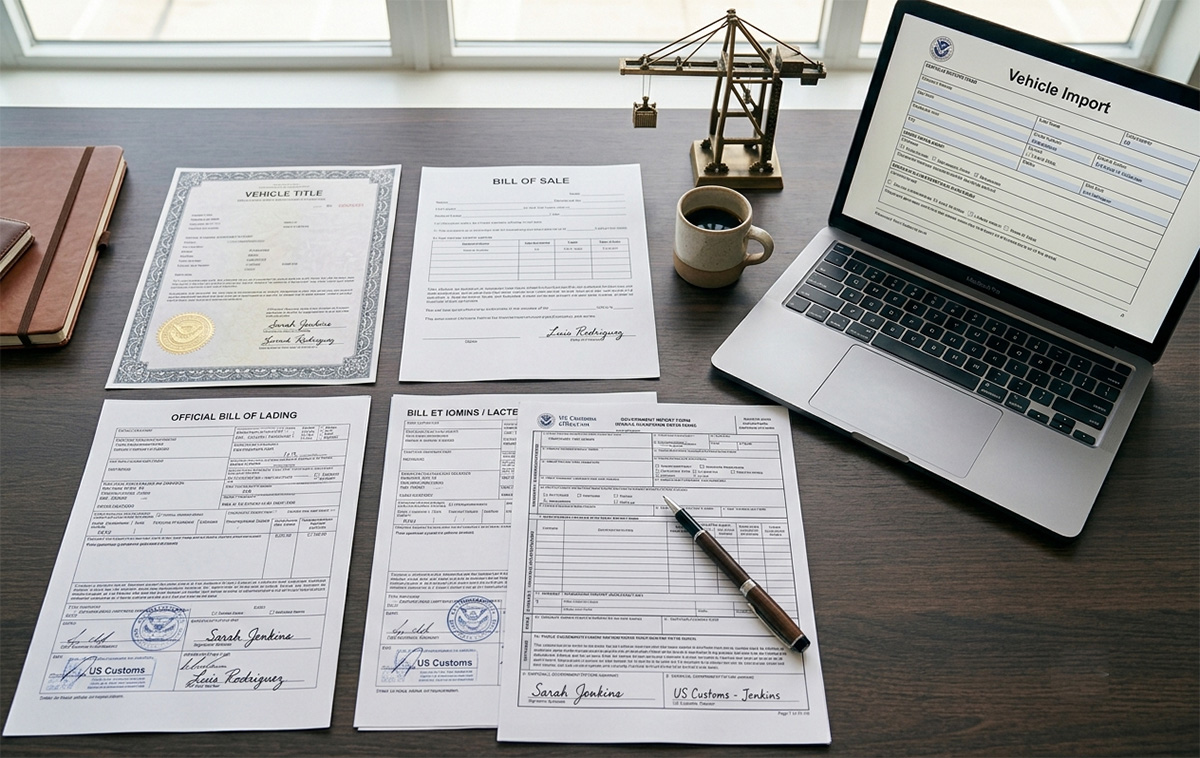
Vehicle imports require a specific set of documents, including the original title, bill of sale, bill of lading, and in many cases an EPA form 3520-1 and DOT form HS-7. Any of these missing or incorrectly completed when the vehicle arrives can trigger a hold.
Experienced customs brokerage services handle this documentation preparation well in advance of the shipment’s arrival, reviewing each document for accuracy and completeness before submission. Livingston International, for example, works with importers throughout the process to ensure paperwork is in order before the vehicle reaches port. That kind of preparation is what keeps clearance timelines predictable rather than dependent on last-minute fixes at the border.
Managing the 25-Year Rule and Classic Vehicle Exemptions
Vehicles that are 25 years or older are exempt from federal motor vehicle safety standards, which makes them significantly easier to import. But the exemption has specific requirements, and applying it incorrectly can create problems just as easily as ignoring it.
A customs brokerage service familiar with vehicle import regulations knows how to apply these exemptions properly, document them correctly, and ensure the entry reflects the vehicle’s actual status. For collectors importing classic cars, this is one of the areas where broker expertise directly translates into a smoother, faster process.
Coordinating With Port Authorities and Carriers
Getting a vehicle cleared at the border involves more than just submitting paperwork to customs. It also requires coordination with the port authority, the shipping carrier, and sometimes the terminal operator to ensure the vehicle is available for inspection when needed and that any examination requests are handled promptly.
Customs brokerage services manage these moving parts so the importer doesn’t have to. In practice, that coordination is often what separates a vehicle that clears in a day from one that sits at the port for a week waiting for pieces to come together.
Handling Recalls and Import Alerts
The NHTSA maintains recall records for vehicles, and a vehicle with an open recall may face additional scrutiny at the border. In some cases, customs authorities will hold a vehicle until the recall issue is addressed or documented.
A broker who monitors these records can flag potential recall issues before shipment and advise on how to handle them, whether that means addressing the recall before the vehicle ships or providing documentation that satisfies customs requirements at the point of entry.
Navigating State-Level Registration Requirements
Federal customs clearance is only part of the picture. Once a vehicle is imported and cleared, it still needs to be registered in the state where it will be used, and state requirements vary significantly. Some states have their own emissions testing requirements. Others have specific title transfer procedures for imported vehicles.
A knowledgeable customs brokerage service can advise on what to expect at the state level after federal clearance, helping importers plan the full process rather than discovering additional requirements after the vehicle has already arrived.
Wrapping Up
Vehicle importing has enough moving parts that even experienced importers can run into unexpected delays. A customs broker removes most of those variables by handling the documentation, compliance verification, and coordination that determine whether a shipment clears quickly or sits waiting. For anyone importing a vehicle, whether it’s a single classic car or a commercial fleet, that expertise pays for itself in time saved and problems avoided.