
Moving with a project car means dealing with drained fluids, missing brakes, and parts that can vanish in transit. One wrong move can undo months of work. Here’s what actually protects your build from the garage to the new driveway, and why most daily-move habits don’t cut it.
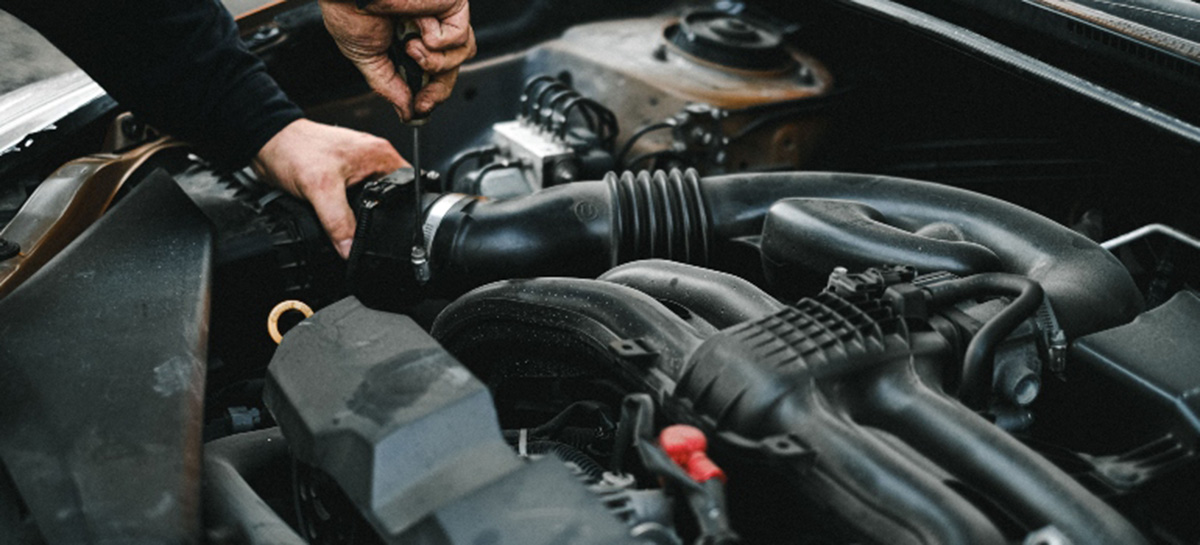
Your project car isn’t going anywhere under its own power, but the moving truck is leaving in three weeks. That’s the reality for a lot of builders: the engine’s half-assembled, the brakes are off, or the title reads “non-op,” and the whole vehicle has to travel without ever touching the road. Moving with a project car takes more planning than loading up a daily driver, because every stage, from lifting it onto a trailer to unpacking parts on the other end, can undo months of work in a few careless minutes. Most of the risk comes down to a handful of predictable weak points. Once you know what they are, protecting the build through a move is straightforward.
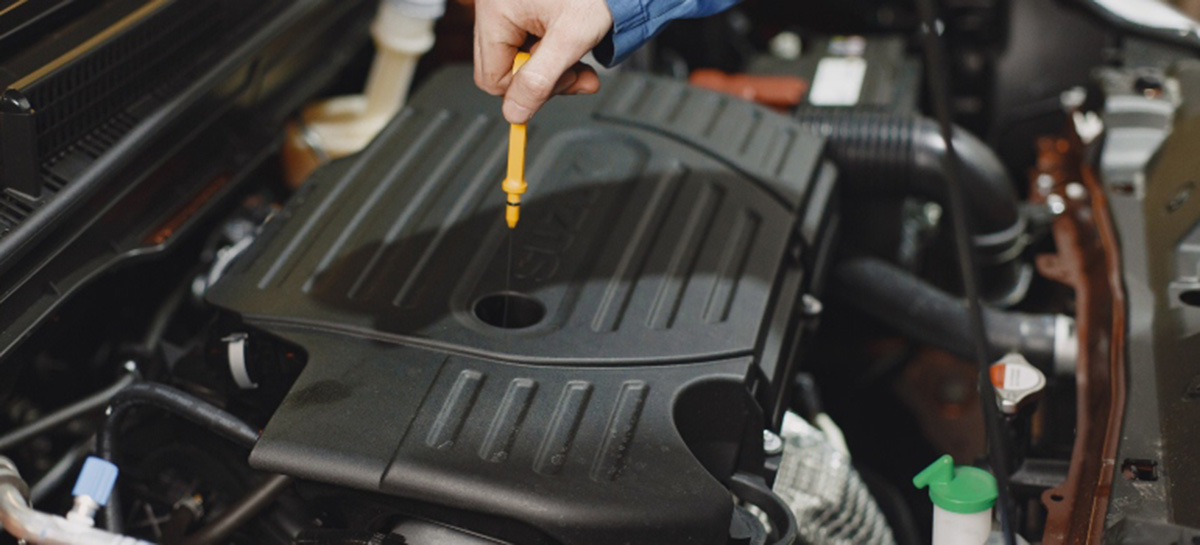
What Makes Moving With a Project Car Different From a Regular Move?
A daily driver can start itself, roll onto a trailer under its own power, and shrug off a little rough handling. A project car usually can’t do any of that. It might be missing a working brake system, running without a battery, or sitting on jack stands with wheels that don’t match. That changes how it gets loaded, secured, and handled. Movers used to boxes and furniture aren’t always equipped for a vehicle that has to be winched, pushed, or lifted into place. Treating the car like cargo that happens not to run, rather than like a broken car, is the mindset that keeps it safe.
How Do You Prepare a Non-Running Vehicle Before Moving Day?
Preparation starts before the transport truck shows up. Draining fluids, securing loose panels, and deciding what travels on the car versus separately all need to happen days in advance, not the morning you’re relocating the build.
What Should You Remove and Pack Separately?
Anything not permanently bolted down should travel in its own labeled box, not loose in the trunk or cab. Interior trim, removed body panels, and small parts like sensors or clips are easy to lose or crush in transit. Learning how to pack and transport car parts safely before you start pulling things apart helps you box components in a way that actually survives the trip. Taking this step early means you aren’t scrambling for a container the night before the truck arrives.
How Do You Document the Car’s Condition First?
Photograph the car from every angle before it leaves your current garage. Include close-ups of existing dents, rust spots, and any parts already loose or missing. This record protects you if a dispute comes up about damage that happened during the move versus damage that already existed. A timestamped video walkaround works just as well as a formal inspection report.
Should You Hire Professional Transport or Move It Yourself?
For most builders, hiring a company that specializes in transporting a non-running project vehicle is safer than towing it themselves, especially over long distances. Lippincott Van Lines, a company experienced with relocations involving vehicles in unusual condition, can plan for a car that needs to be winched or dollied rather than driven onto the truck. Towing it yourself is possible, but it usually means renting a trailer, borrowing a truck rated to pull the load, and hoping nothing shifts on the highway. That kind of experience matters more than price when the vehicle can’t help load itself.
How Do You Vet an Auto Transport Company?
Start by confirming the company is properly registered to operate across state lines, since that registration is what separates a legitimate mover from a fly-by-night operation. The FMCSA’s consumer protection resources for interstate movers explain what documentation a legitimate carrier should provide and how to check a company’s safety record before signing anything. Ask specifically whether the company has handled non-running or modified vehicles before, since standard household-goods movers don’t always carry the right equipment for shipping an unfinished build. Get the liability coverage in writing before the car leaves your driveway.
What Do You Do With Parts You’ve Already Removed From the Build?
Parts that came off the car months ago need the same care as the vehicle itself. Long-term storage is different from a quick move, especially when you’re mid-build and everything doesn’t fit back onto the car yet, since humidity, temperature swings, and pests can all damage components sitting boxed for months. Understanding how to store spare parts long-term before the move helps you sort what’s worth keeping from what should be sold or scrapped rather than hauled to a new address. Fewer boxes also means a cheaper, simpler move.
How Do You Set Up Your New Space to Protect the Car?
The car’s protection doesn’t end when the truck pulls away. Where and how it sits once it arrives matters just as much as how it traveled. A garage that traps moisture or lacks proper ventilation can undo the careful packing you just paid for. Learn about the flooring, airflow, and storage choices that keep rust and pests away from a build that’s already vulnerable while it’s apart.
Keeping the Build Moving Forward
A move doesn’t have to set your project back. With the right prep, the right transport partner, and a plan for every loose part, moving a project car can be just another step in the build rather than a setback. Take the time to document, pack, and vet your options before moving day arrives, and the car will be ready to pick up right where you left off. If you’re planning a move soon, start lining up transport and storage details now, while you still have time to do it right. You can learn a little more about how to safely move your tools and car parts that may coincide with moving your project car.
Good Sam Roadside Assistance
AUTO and RV Plans

If you are a highway traveler, for recreation or business, a roadside assistance is a must. How about unlimited miles? Good Sam is the number one choice for anyone that has a Car, Truck, Motorcycle or RV. Rates are very reasonable, better than the other guys...