
Years from now, you may remember the car you built—but will you remember how you built it? From teardown photos and receipts to milestones and the finished car, learn how simple documentation can preserve your project’s history without turning your hobby into a second job.
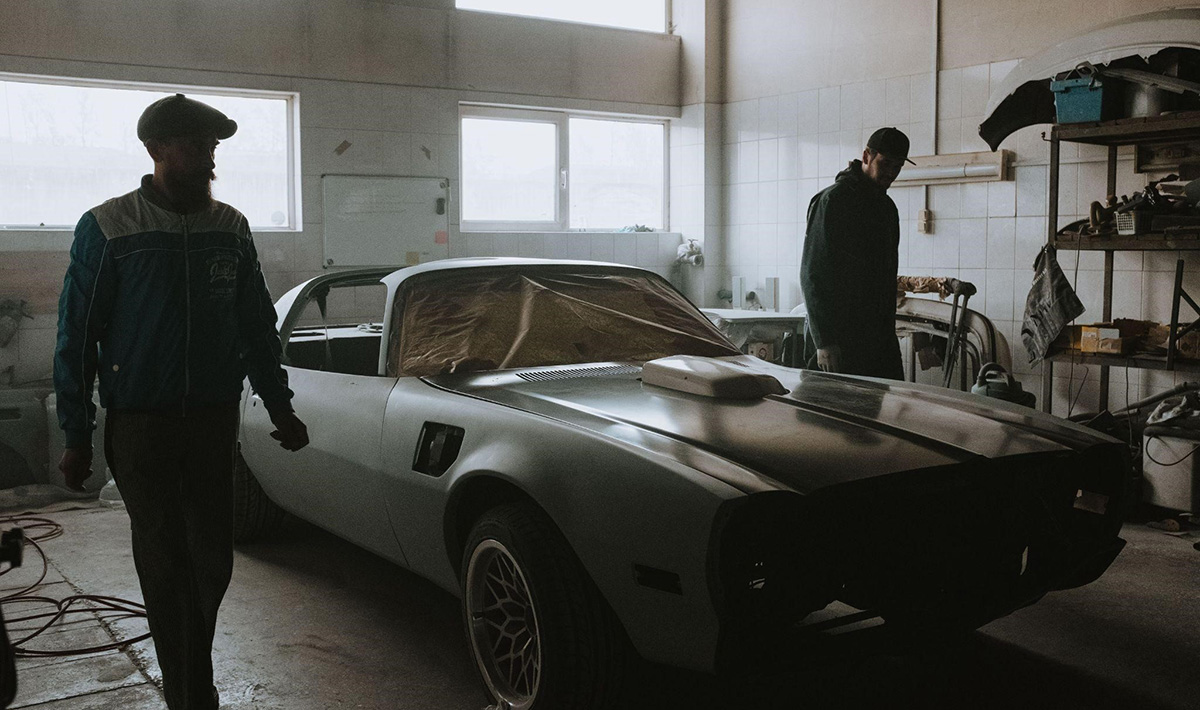
Project cars have a funny way of eating up entire Saturdays, then entire seasons, then years. When you’re standing in the garage with greasy hands and a stubborn bolt that hasn’t moved since the Clinton administration, taking a nicely composed progress photo isn’t exactly top of mind. That’s why so many genuinely impressive builds end up documented by 40 random phone pictures, two screenshots of parts orders, and one blurry shot somebody took at a gas station. You remember what happened between those pictures, of course, but five or ten years later some of those details start getting fuzzy. Learning to document a project car build as you go fixes that problem without turning your garage hobby into a second job.
Take Pictures While It’s Apart
Teardown photos have a practical value long before they become nostalgic, especially when a weekend job quietly becomes a six month one. Photograph wiring routes, hose positions, brackets, clips, fasteners, suspension orientation, interior hardware, and anything else that might leave you staring at a mystery hole during reassembly. Then step back occasionally and take wider photographs that show the actual state of the project, whether that’s an empty engine bay, a shell on stands, or half an interior stacked across the garage floor. You don’t need to stop every fifteen minutes with your phone, but make a habit of taking pictures whenever something meaningful has changed. A stripped front end, the engine coming out, fresh suspension going in, the first startup, and the first drive are all moments you only get once.
Keep the Receipts, Even the Boring Ones
A good build record isn’t just photographs because photographs can’t tell you which clutch went in the car or exactly when you replaced those wheel bearings. Save receipts, invoices, part numbers, machine shop paperwork, alignment sheets, paint codes, warranty information, and useful notes about anything that might matter again. This doesn’t require a color coded archive worthy of a restoration shop, either, since a simple digital folder backed up somewhere safe can handle most of it. When you order a significant component, save the invoice or confirmation and give the file a name you’ll recognize later instead of leaving it as something charming like order_4839217.pdf. It also helps to jot down installation dates, mileage, unusual fitment issues, and modifications you made to get a part working correctly. That information becomes surprisingly valuable when you’re troubleshooting the car years later, ordering a replacement, explaining the build to another enthusiast, or handing the keys to a new owner.
Rescue the Photos That Didn’t Age Well
One annoyance that sneaks up on long term builds is discovering that the oldest pictures suddenly look ancient beside the newest ones, even though they didn’t seem bad when you took them. Maybe the first teardown was photographed on an old phone, or the only picture of the original engine bay came from a compact digital camera that produced an image the size of a modern thumbnail. That becomes frustrating when you’re finally assembling a proper build story, preparing the car for sale, or picking photographs you’d like to print and hang in the garage. AI powered image upscaling gives you a practical way to revisit those files, and the Adobe Firefly AI picture upscaler feature can increase the usable clarity and detail of lower resolution images in a few clicks. Keep the originals untouched and treat the improved copies as presentation versions, particularly because you want your archive to preserve what was genuinely photographed rather than quietly overwrite it.
Give Everything One Home
The real enemy of a long project isn’t a lack of pictures so much as fragmentation, because a build that lasts years tends to leave evidence everywhere. Photos wind up across an old phone, your current phone, a DSLR card, text threads, cloud storage, social posts, and whatever laptop you happened to own when the project started. Pick one permanent home for the build and create a basic structure while the amount of material is still manageable. You might organize folders by year and month, or by stages such as purchase, teardown, bodywork, engine, suspension, interior, reassembly, and finished car. Drop receipts and notes into the same overall archive rather than creating a separate paper trail you’ll have to reunite with the photographs someday. Spend ten minutes updating it after a productive garage weekend and you’ll avoid the miserable job of sorting seven years of mystery images when you finally decide to tell the story.
Give the Finished Car a Proper Shoot
Once the car is done, resist the temptation to let the official finished photograph be whatever you snapped beside the air pump on your first drive. Wash the car, clear the junk out of the interior, pick an uncluttered location, and wait for decent light so the final pictures feel intentional. Softer natural light in the morning or later afternoon is generally much kinder to paint, chrome, glass, and body lines than harsh midday sun. Shoot the same basic angles you captured at the beginning, then add interior details, the engine bay, wheels, badges, fabrication work, and the little choices that made the project yours. Take more photographs than you think you’ll need and include both horizontal and vertical frames, since you have no idea whether you’ll eventually use them in a listing, post, album, print, or something else.
Make the Story Part of the Car
A well documented project feels different from a car accompanied by a vague claim that everything was rebuilt “a few years ago.” If you eventually sell it, organized photographs and records let a buyer see the condition you started with, what came apart, which parts went in, who performed specialized work, and how the finished car came together. That doesn’t magically make every modification valuable, but it gives the next person something concrete to inspect instead of asking them to trust your memory. The same archive has value even if the car never leaves your family, because a son, daughter, friend, or future caretaker can understand why certain choices were made and what happened under the skin.
Most enthusiasts start a project because they want the finished machine, so it’s easy to forget that the unfinished years are part of what makes that machine meaningful. You don’t need professional photography gear, elaborate software, or a historian’s dedication; you mostly need to remember to record the important moments and put them somewhere you’ll still be able to find. Finish the car with a real archive behind it, and years later you’ll have something better than proof that you built it: you’ll still have the story of building it.