
A failed car inspection can turn a quick trip into an unexpected repair bill. Before heading to the inspection station, take a few minutes to check your tires, lights, brakes, wipers, suspension, and other safety items. This simple car inspection checklist can help you catch problems first.
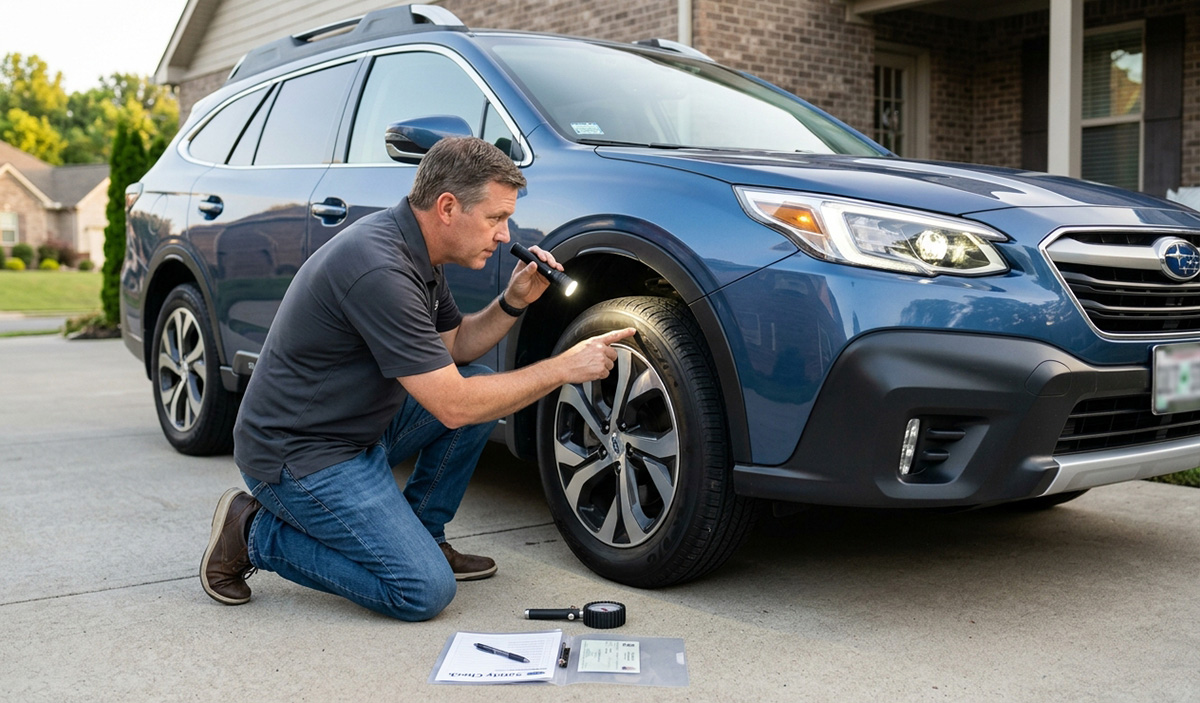
Picture this: you’re parked outside your local inspection station somewhere just off the Main Line in Wayne, PA, engine idling, sipping gas station coffee, and running through a familiar little ritual of hope: “Please just pass this time.” Then the tech comes back with a clipboard and that look, and suddenly your quick fifteen-minute errand turns into a repair bill you didn’t budget for this month.
If that scenario feels a little too familiar, you’re not alone, and the good news is that most inspection failures aren’t random bad luck. They’re the same handful of issues showing up again and again, and most of them are things you can spot yourself in your own driveway with nothing more than a flashlight and ten spare minutes. Here’s exactly what to check before you ever pull into that inspection lane.
Start With Your Tires
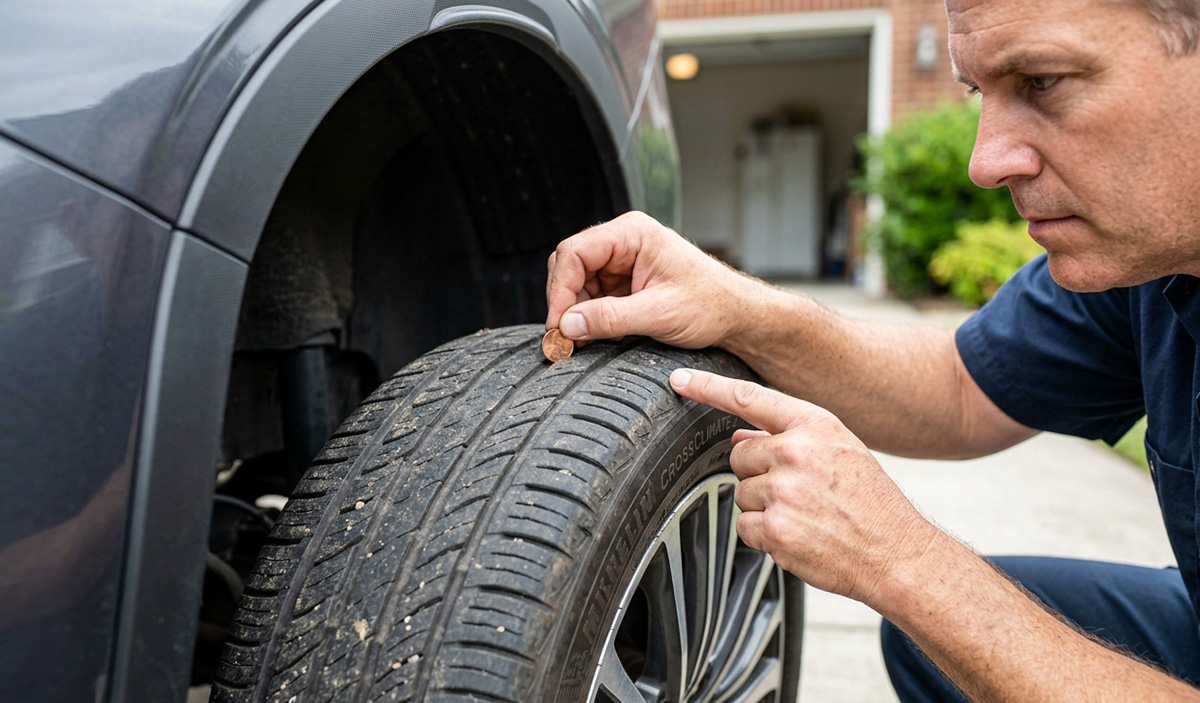
Tires are the only part of your car actually touching the road, which is exactly why inspectors take them so seriously. Walk around your vehicle and look for uneven wear patterns, cracks in the sidewall, bulges, or tread that’s worn down close to the wear bars molded into the tire itself. The classic penny test still works here, insert a penny into the tread with Lincoln’s head upside down, and if you can see the top of his head, it’s time for new tires.
This isn’t just an inspection checkbox, either. According to NHTSA, 511 people died in tire-related crashes in 2024 alone, a sobering reminder that tread depth and tire condition directly affect your ability to stop and stay in control, especially in wet weather. Check your tire pressure too, since underinflated tires wear unevenly and can mask a deeper problem an inspector will catch anyway.
Test Every Light on the Car
This is the single easiest fix to catch before inspection day, and yet it’s one of the most common reasons cars get sent home. Headlights, brake lights, turn signals, hazards, reverse lights, and license plate lights all need to work, and a single burnt-out bulb is often all it takes to fail.
Grab a friend, or even just back up to a reflective garage door or window, and cycle through every light while someone watches from outside. Don’t forget your high beams and the often-overlooked license plate light, which people rarely think to check until an inspector points it out.
Listen and Feel for Brake Trouble
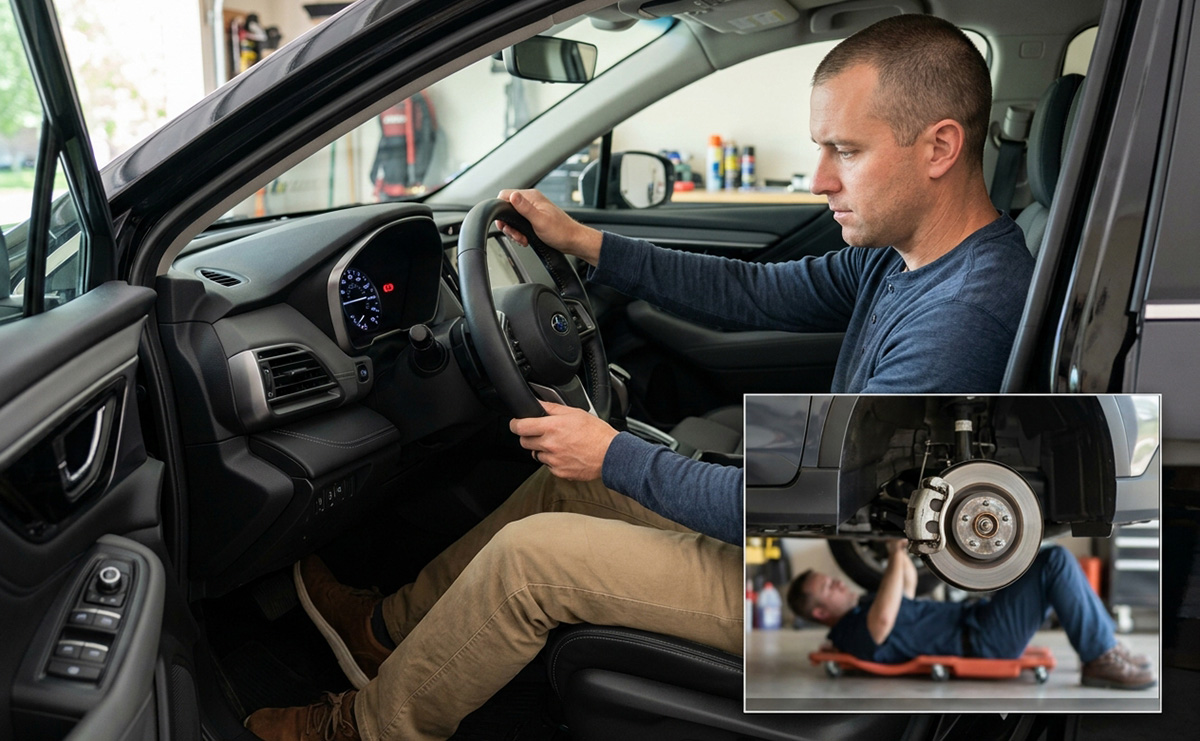
Brakes are non-negotiable on any inspection checklist, and for good reason. Pay attention to how your car feels the next few times you drive it. Grinding or squealing when you brake, a pedal that feels softer or sinks lower than usual, the car pulling to one side when you stop, or a brake warning light on your dashboard are all signs worth taking seriously before your appointment, not after you’ve already failed.
Brake wear happens to show up constantly among the common reasons cars fail PA state inspection that Garttmeyer Automotive breaks down for local drivers, right alongside tire and lighting issues, which is exactly why it’s worth catching early rather than at the station.
Check Your Wipers, Windshield, and Mirrors
Visibility issues are easy to overlook because they don’t feel like mechanical problems, but they can still lead to an inspection failure. Before the inspection, check:
- Windshield: Look closely for cracks or chips, particularly anything in the driver’s direct line of sight.
- Wipers: Run them with washer fluid and make sure they clear the glass evenly without streaking, skipping, or leaving missed areas.
- Washer system: Confirm the fluid reservoir is filled and the spray reaches the windshield properly.
- Mirrors: Check that all required mirrors are secure, undamaged, and provide a clear view.
These are simple checks, but fixing a worn blade, damaged mirror, or visibility problem beforehand can prevent an otherwise unnecessary failure.
Give the Suspension a Once-Over
You don’t need a lift to spot signs that your suspension may need attention. Push down firmly on each corner of the car and let go. If the vehicle continues bouncing more than once or twice before settling, the shocks or struts may be worn. You can also look for uneven tire wear, a vehicle that sits noticeably lower on one side, or fluid leaking around a shock.
Pay attention to how the car behaves during normal driving as well. Clunking over bumps, excessive body roll when turning, unusual vibration, or a steering wheel that feels loose or vague can all indicate suspension or steering problems. If anything feels different from normal, having a technician inspect it before inspection day gives you time to address the issue rather than discovering it at the test.
Do a Quick Walk-Around for the Small Stuff
A final walk-around can catch several minor issues that are easy to overlook but may still matter during an inspection. Check that:
- Horn: Sounds clearly and works every time you press it.
- Seat belts: Latch securely, retract properly, and aren’t visibly damaged.
- Body panels: Are secure, with no dangerous rust, sharp edges, or loose parts.
- Exhaust system: Isn’t unusually loud, visibly damaged, or leaking.
- Cabin: Doesn’t smell like exhaust while the engine is running.
These checks only take a few minutes, but fixing a small issue before the appointment is much easier than discovering it during the inspection.
Why This Pre-Check Actually Matters
This isn’t about trying to outsmart the inspection process. It’s about identifying small problems while they’re still easy and inexpensive to fix, rather than discovering them at the inspection station when you’re already under time pressure. A few minutes spent checking your car at home can help you spot worn wipers, weak lights, tire issues, or other basic problems before they turn into an unexpected repair.
Running through even half of these checks can save you a wasted trip, an unnecessary bill, and the frustration of scheduling a second appointment. More importantly, it gives you a better idea of your car’s overall condition before someone else has to point out what needs attention.
Conclusion
A little bit of driveway diligence goes a long way toward a smooth, stress-free inspection day. Walking your car’s tires, lights, brakes, wipers, suspension, and small safety items before you ever head to the station won’t guarantee a pass, but it puts the odds firmly in your favor and helps you catch problems while they’re still minor and inexpensive.
More importantly, these same checks aren’t just about avoiding a failed sticker, they’re the difference between a car that’s genuinely safe to drive and one that’s quietly accumulating risk you haven’t noticed yet. Make this quick walk-around a habit a few weeks before your inspection is due, and you’ll spend a lot less time worrying about that clipboard and a lot more time just enjoying the drive.
Auto Mechanics Guide and Tips
Learn Automotive Repair And Maintenance For Beginner's

FREE Guide that can take any newbie into a DIY Home Mechanic. Save yourself big bucks on regular maintenance and routine diagnostics. Be in the know of what is wrong with your vehicle before getting taken advantage of at the big shops...